


Tree Obsessions: Glimpsing the Ephemeral in Long-Lived Plants of the Arnold Arboretum
Tree Obsessions: Glimpsing the Ephemeral in Long-Lived Plants of the Arnold Arboretum
William Friedman, Director, Arnold Arboretum of Harvard University

Soon I shall pay a visit to the botanical garden, where I hope to learn a good deal. Nothing, above all, is comparable to the new life that a reflective person experiences when he observes a new country. Though I am still always myself, I believe I have been changed to the very marrow of my bones.
—Johann Wolfgang von Goethe, Rome, 1786
I want to tell you about some of my obsessions with trees at Harvard University’s Arnold Arboretum, and how these obsessions have transformed me. But first, let me tell you about the Arboretum itself, which I have the privilege of serving as the eighth director in its 153-year history.
The Arboretum is many things. To start, the grounds are one of the renowned landscape architect Frederick Law Olmsted’s greatest designs. But more than a designed space, the Arboretum is a living institution—open to all, every day, a cherished public park in Boston’s Emerald Necklace. In that openness, the Arboretum is an agent of democracy, a place where plant diversity and human diversity converge.
It is also a global research institution, a living laboratory whose specimens support cutting-edge inquiry. For more than a century, the Arboretum has collaborated with plant scientists and botanical and horticultural institutions around the world. Our plant expeditions have collected temperate woody plants, typically as seeds, from across the globe. These seeds come to the Arboretum, where they germinate and will grow for hundreds of years—perhaps more than a thousand years—to be studied and admired by the public and scientists alike.
The Arboretum is also an urban biodiversity hotspot. We’re home to roughly 2,100 species of woody plants, six species of bats, countless bird species, and a wide array of insects, including more than 70 species of native bees—all thriving in a habitat we carefully steward. We provide safe harbor for species that are extinct in the wild, such as the Franklin tree—a magnificent member of the tea family—once native to the state of Georgia, but now surviving only in cultivation. We are stewards of nearly 3,000 woody plant accessions whose species are threatened.
Most importantly, we’re home to 16,000 temperate woody plant organisms—with provenance. By “provenance,” I mean something akin to how the term is used in the world of art. Just as art museums trace the origin and ownership of a painting, we trace the story of each plant in our collection. We know exactly when and where each seed was gathered, and who collected it—for every tree, shrub, and liana in our collection. We have followed and cared for that living object from the beginning of its life to the present. Our trees are not anonymous, interchangeable things; they are individual beings, just like you or me, each with a unique life story to tell.
You might say, then, that we are Harvard’s “museum of trees.” Our trees, like art masterpieces, are taxonomically arranged. In an art museum, you enter a gallery to immerse yourself in a particular style of art—say, Impressionism or Modernism. The experience represents an intensification of a kind of art, with the opportunity to grasp the essence of and variation within, for example, the Hudson River School movement. At the Arboretum, you enter the “maple gallery” for an intensification of the experience of what “mapleness” is. Then you move to the “oak gallery” to gain an understanding of what it means to be an oak. In these taxonomic galleries, everything from tree architecture to leaf shape, bark texture, flower color, and fruit form is on display, allowing you to explore the defining characteristics of each evolutionary lineage of woody plants, whether maple, oak, hickory, larch, beech, or stewartia.
Our hope is that everyone who wants to will walk through the Arnold Arboretum with an open mind and open eyes. But what you see depends upon how you look. Our collections invite more than just admiration; they invite transformation, offering dazzling forms that don’t just fill the eye, but train it to see differently.
That, to me, is the Arboretum’s greatest gift: the power to cultivate careful looking. I have become obsessed, you could say, with looking—how we look, and how looking at plants sharpens our sight.
The German polymath Johann Wolfgang von Goethe (1749–1832) dedicated many years to the meticulous observation of plants. Much of this he did in Italy, where he walked amid palms, cypress, oleander, and other plants foreign to his native Germany. He wrote:
To wander about among a vegetation which is new to one is pleasant and instructive. It is the same with familiar plants as with other familiar objects: in the end we cease to think about them at all. What is seeing without thinking?2
I believe that Goethe is asking us to be mindful, contemplative, and reflective in our daily interactions with plants. We live immersed in green, yet we don’t necessarily see individual plants as we walk through this world. So how can we be more intentional at looking? How can we cultivate fresh ways of seeing?
I am a plant morphologist. The discipline of plant morphology was founded by Goethe, who sought to understand the unifying principles of plant form and identify the archetypal plant (Urpflanze) that could account for all variations. His intense study culminated in the foundational book The Metamorphosis of Plants (Die Metamorphose der Pflanzen), published in 1790.3 Through intensive observation, Goethe came to appreciate plants not as static forms, but forces—living processes that are always coming into being. His approach reminds us that all we can ever see of a plant at any given moment is a snapshot of its constant transition from one form to another—much like a photo.
I’ve practiced a kind of Goethean meditation for many years as I regularly walk through our collections. As I walk, I always carry a small pocket camera, carefully studying what I see and taking photos along the way.4
While I occasionally photograph whole plants, my practice typically captures closeups of plant organs and tissues—bark textures, budbreak and the magical moment when a tree casts its young leaves into the world, the venation patterns of leaves, flowers in their myriad symmetries and forms, young conifer cones at the time of pollination. Each new phenomenon becomes a portal—indeed, an obsession—leading me to return, observe again, and deepen my attention to the form and structure of plants. And each time I do, something in me grows. As Goethe wrote, “Every object well-contemplated opens a new organ of perception in us.”5
I want to be your docent, leading you to contemplate masterpieces in this museum of trees. Drawing from the thousands of images I have captured, I want to share with you a few of my tree obsessions. I want to share how glimpsing the beauty of trees, how witnessing their strangeness yield to familiarity, has affected me, just as it did Goethe.
So let me introduce you to my first obsession—one I explore each spring.
For many, spring means flowers. In fact, every May on “Lilac Sunday,” thousands flock to the Arboretum’s grounds to experience the quintessential springtime bloom of our famous collection of more than 400 lilac shrubs. Don’t get me wrong—I have nothing against lilacs; they just don’t do much for me. For me, spring officially begins on the day I can find a Siberian larch cone glistening in the sun with its magnificent pink coloring.
“Really?” you might be asking. “Pink conifers? In spring?!” In that case, you may be calling to mind the woody brown structures of pines and other conifer cones.

Figure 1. An iconic brown woody pine cone. Table Mountain pine (Pinus pungens). Arnold Arboretum ascension number 1076*A. Photograph by William Friedman.
But can you conjure an image of what a cone looks like when it first emerges from its bud? It is anything but brown and woody.
For example, the Siberian larch (Larix sibirica) is the first conifer at the Arboretum to break bud in the spring and “cone.” Its small but magnificent pink cones enjoy only a few days of peak color—a reminder that the long lives of trees are ultimately comprised of myriad ephemera. Blink and you must wait until next year!
After the Siberian and other species of larches break bud and cone, the Douglas firs (Pseudotsuga mensiezii) and the spruces (genus Picea) take center stage with an amazing array of crimson reds, pinks, yellows, lime greens, and even some oranges.
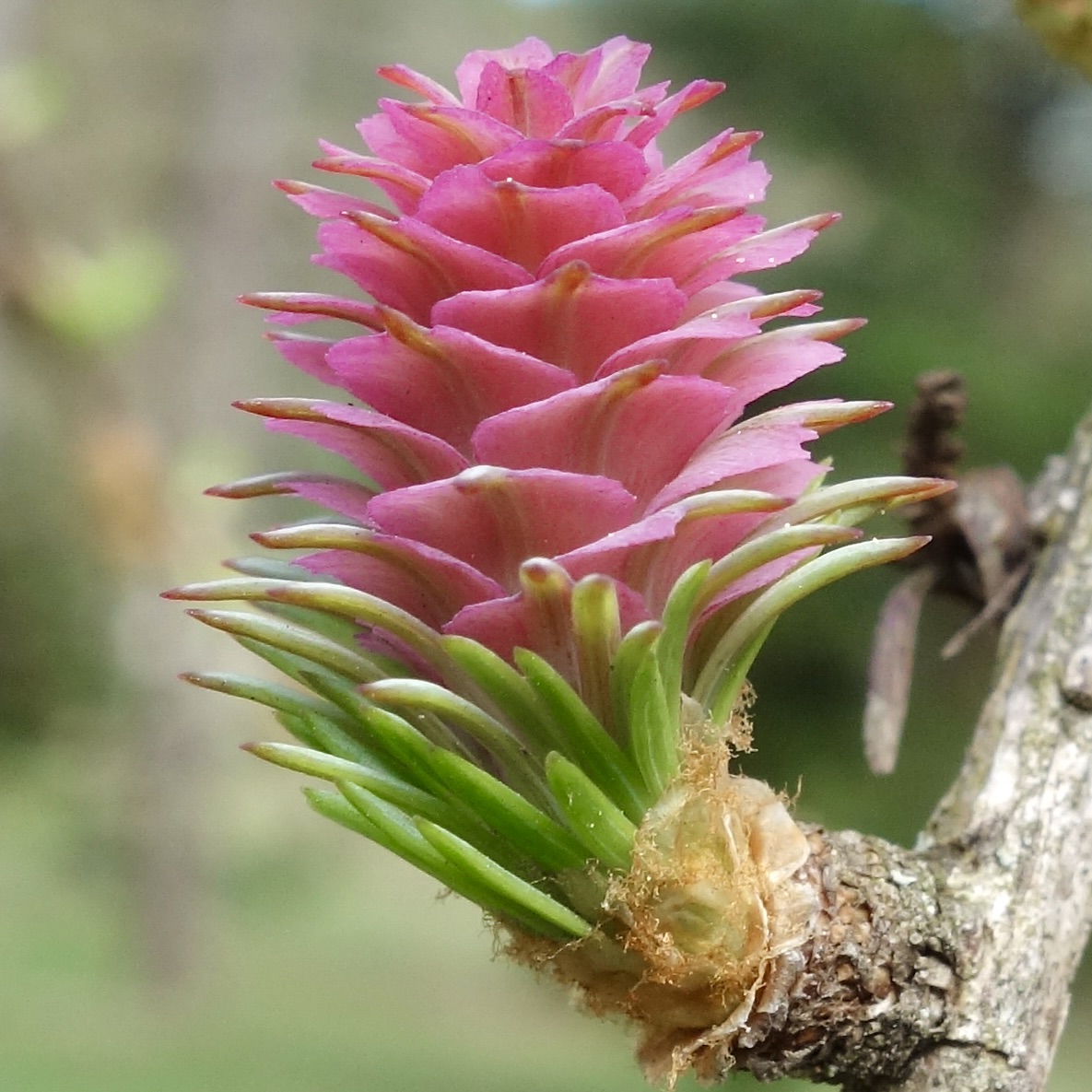
Figure 2. A Siberian larch (Larix sibirica) cone, left, and Douglas fir (Pseudotsuga menziesii) cone. Arnold Arboretum ascension number 14948* A (April 11, 2019). Photograph by William Friedman.

Figure 2. Douglas fir (Pseudotsuga menziesii) cone, enjoy fleeting pink and fuchsia color just days after bud break. Arnold Arboretum ascension number and 623-89D (April 17, 2020). Photograph by William Friedman.
Some of my favorite spruce cones: the common Norway spruce (Picea abies), whose cones range from deep red to pink and even mostly yellow, the dragon spruce (Picea asperata) from China, which is blood red in the sun. Then the tiger tail spruce (Picea polita), native to Japan, which is among the last of the spruces to cone. Each species “knows” its turn in the scheme of things.
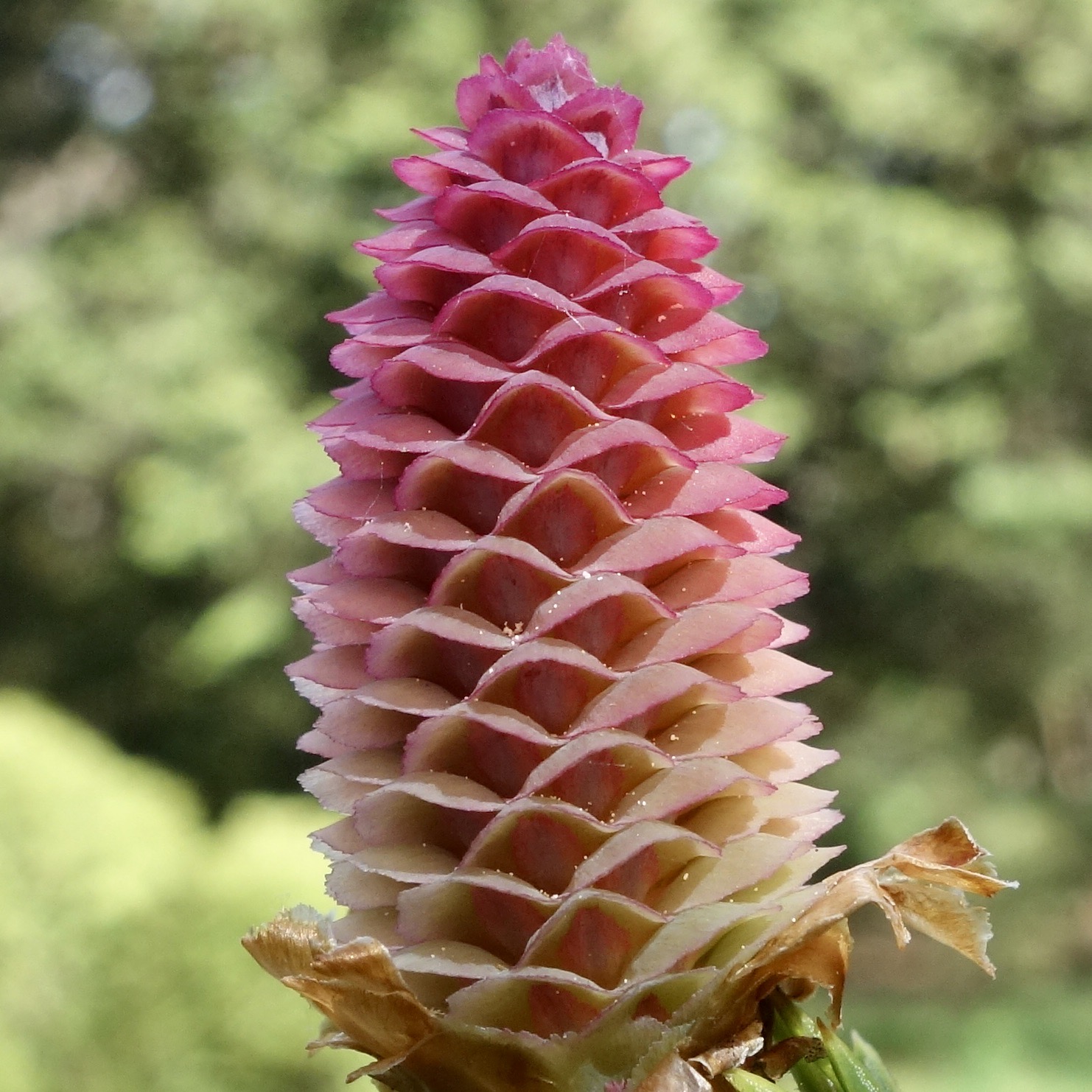
Figure 3. A Norway spruce (Picea abies) lemon raspberry sorbet cone. Arnold Arboretum ascension numbers 475-36*B. Photograph by William Friedman.

Figure 3. Tigertail spruce (Picea polita) cone, which has a subtle touch of orange and a “cap” of bud scales yet to blow off in the wind. Arnold Arboretum ascension numbers 419-87*B. Photograph by William Friedman.
While the spruces are showing off, the firs (genus Abies) break bud and flush their delicate young needles and cones, often to dazzling effect. On 6 May 2021, during the COVID-19 pandemic, I wandered in the conifer collection and was stunned by a 13-year-old—infant—Himalayan fir (Abies pindrow). Its almost jet-black cones, arranged like a candelabra, stopped me dead in my tracks. I now return every year for a glimpse of these striking cones of a Himalayan fir, marveling that I can experience them growing in Boston, while their brethren reside in Kashmir, India.

Figure 4. Young Himalayan fir (Abies pindrow) tree covered with cones. Arnold Arboretum accession number 41-2008*A. Photograph by William Friedman.
My obsessions spans scale, from the macroscopic to the microscopic. Indeed, I have spent much of the past 45 years of my research career in the laboratory peering through microscopes, seeing the tiny parts of larger wholes. In fact, Goethe thought we did not understand nature unless we could observe how parts related to wholes, and wholes to parts. He reminds us,
If you would draw benefit from the whole,
You must search for the whole in the smallest part.6
So I want to introduce you to one of the smallest parts of plants I have observed in the Arboretum: rhododendron viscin threads.
One day, after a gentle rain, I went out into the collections. I love seeing how water beads on plant surfaces—each droplet a tiny world reflecting the larger one. On this particular day, I photographed a flower of Rhododendron fortunei, a Chinese species whose flowers smell like bubble gum. As I looked more closely, I noticed something I had never observed before, though I’d read about the phenomenon as a graduate student: If you look at the 10 long filamentous pollen-producing organs (stamens), you will notice delicate threadlike structures dangling from them.
These are chains of pollen grains—an unusual phenomenon among flowering plants. Most flowers shed pollen grains individually. But in rhododendrons, each “grain” (actually a tetrad of pollen grains stuck together—but that is for another day) is connected to the next tetrad of pollen grains by what are called viscin threads, forming a single, delicate strand. All rhododendrons make viscin threads. You can pull an entire chain of pollen out of the anther—the part of the stamen where pollen forms—in one fragile line.
These anthers are what we call “poricidal”—they release pollen through pores at their tips. Just a light tap on the flower—from a pollinator or a human finger—triggers the release of what looks like an exquisite pearl necklace, spun in miniature. It’s extraordinary.
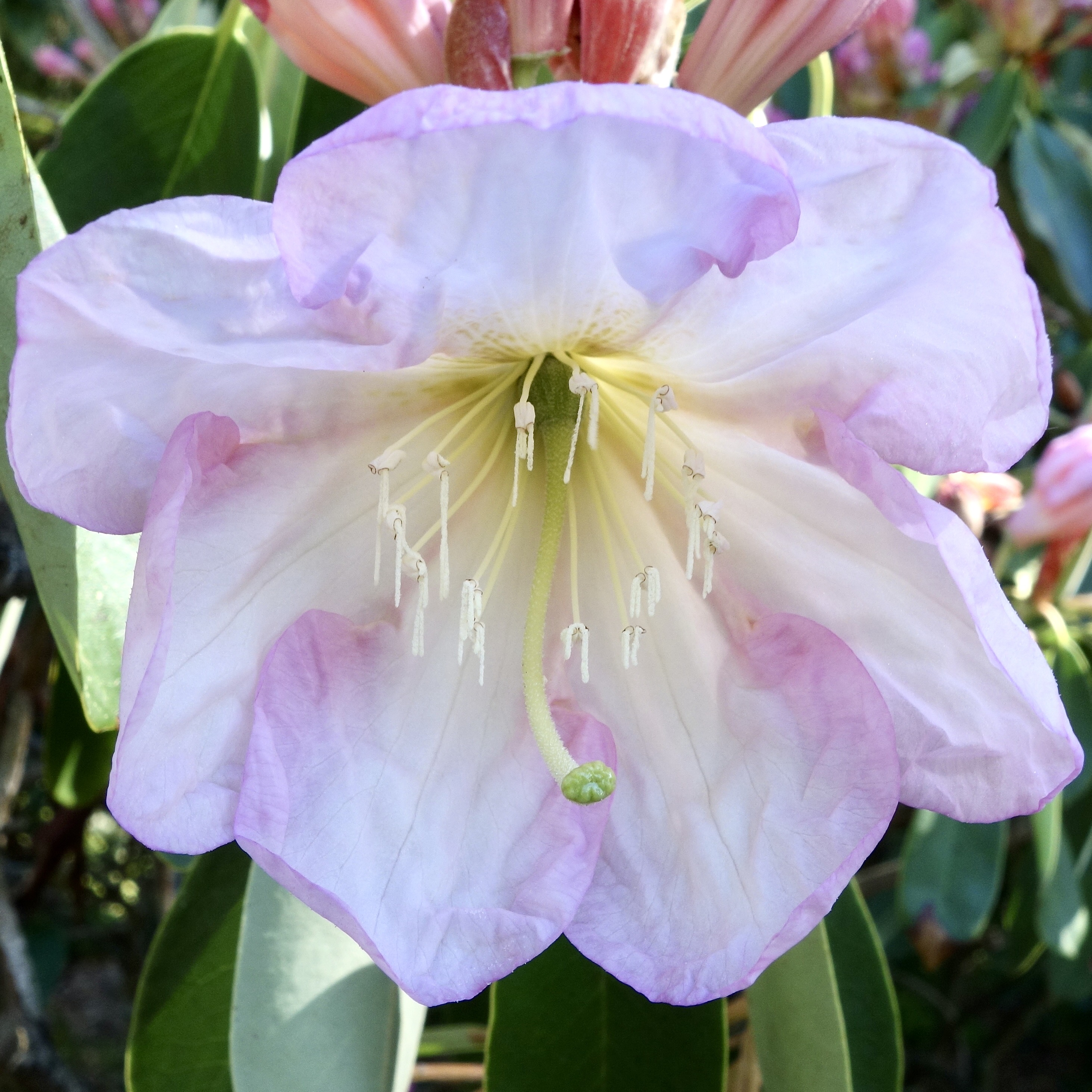
Figure 5. Rhododendron fortunei flower in full bloom with stamens dangling chains of pollen grains. Arnold Arboretum accession number 336-91*A. Photographs by William Friedman.
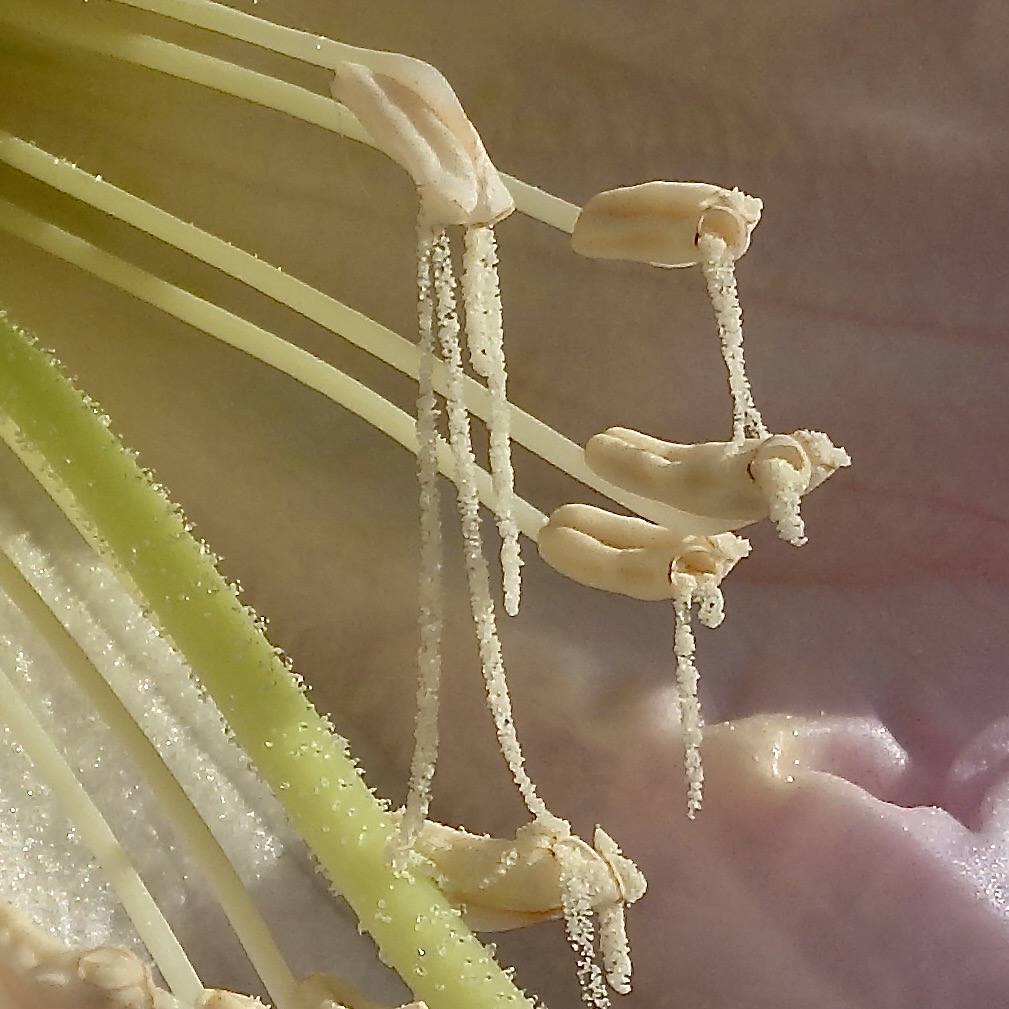
Figure 5. A close-up of strings of pollen pouring out of the poricidal anthers. Arnold Arboretum accession number 336-91*A. Photographs by William Friedman.
When you place the pollen under a microscope, you see the fine kinky viscin threads connecting one grain to the next. You could go to Tiffany’s every day for the rest of your life, but once you’ve seen this, I promise you, Tiffany’s finery is diminished.
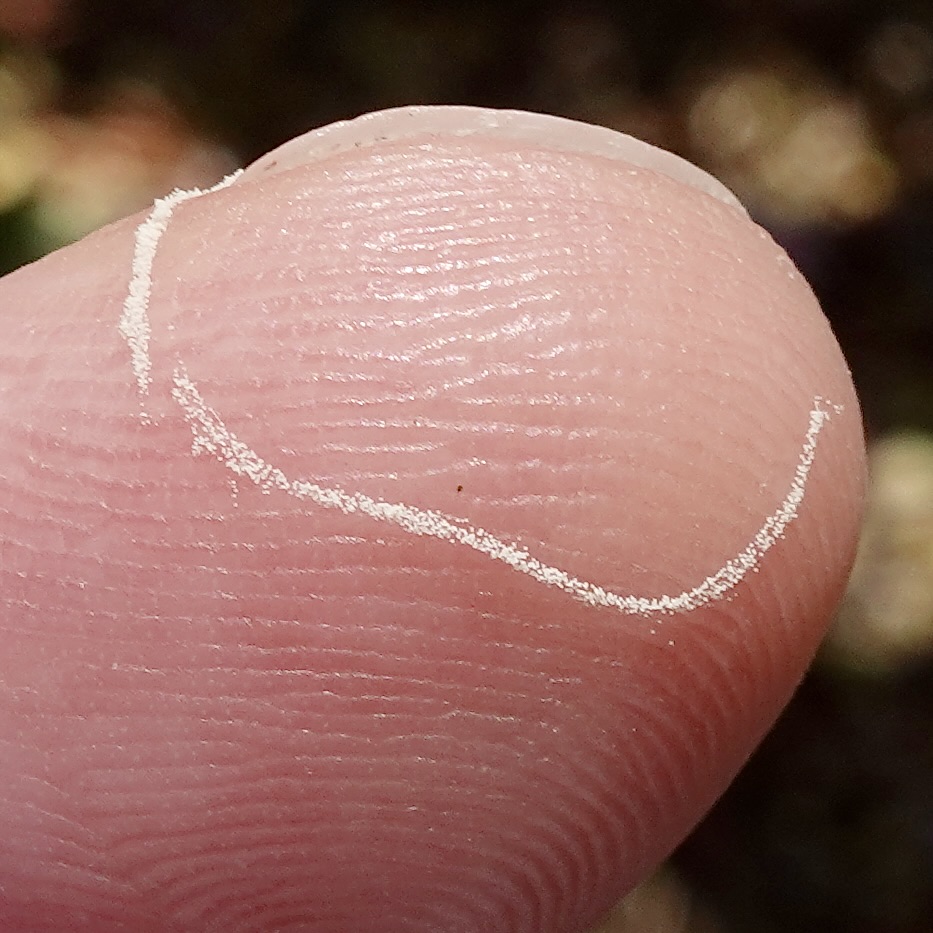
Figure 6. A strand of rhododendron pollen thread adorns my index finger. Arnold Arboretum accession number 903-89*A. Photographs by William Friedman.
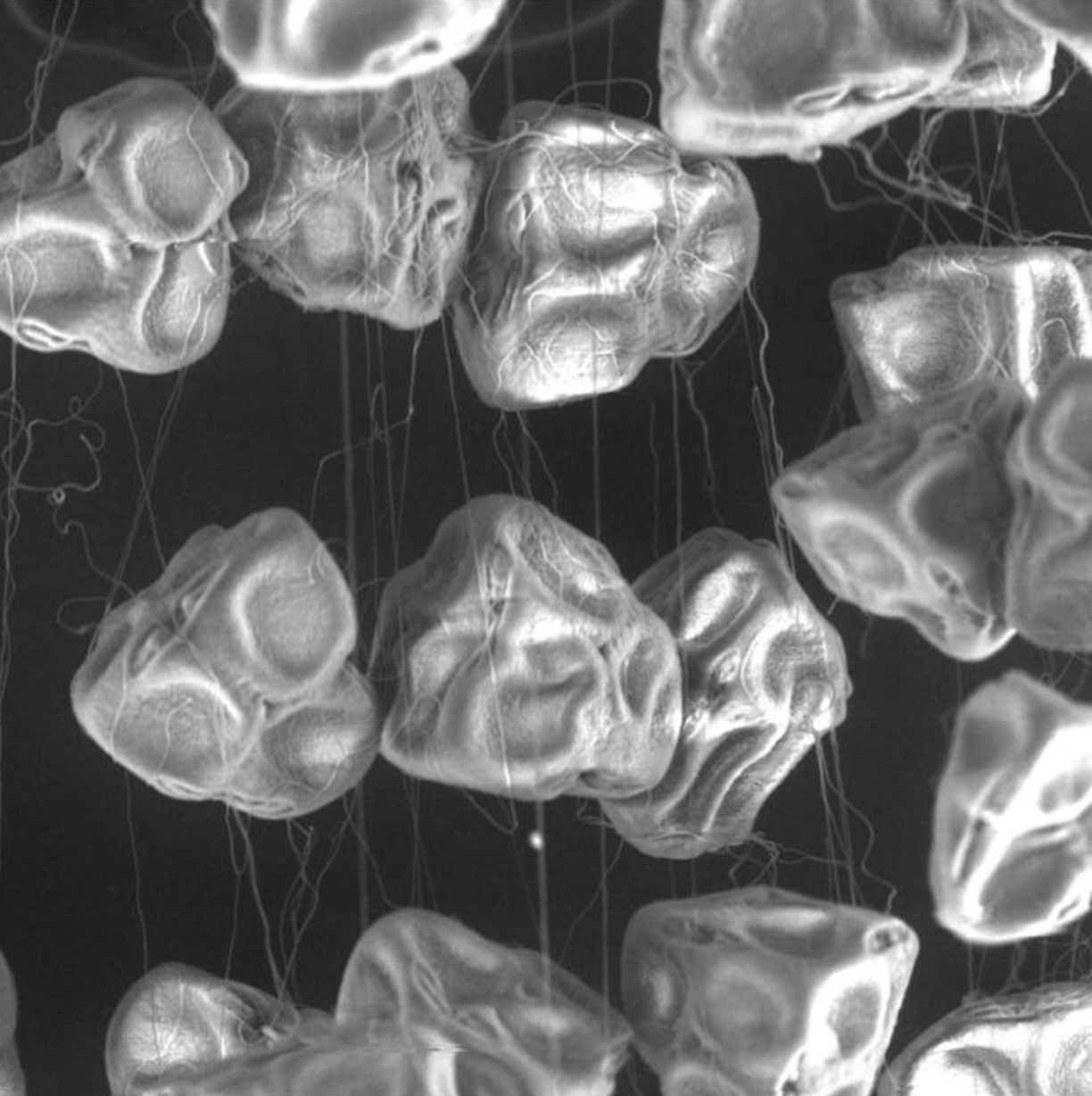
Figure 6. Fine viscin threads connecting the pollen grains as seen through a scanning electron microscope. Arnold Arboretum accession number 903-89*A. Photographs by William Friedman.
Now, for my last obsession, which you can find in winter.
People sometimes ask me, “What do you even do at the Arboretum in winter?” I am always a little taken aback by the question.
Winter is one of the most beautiful times to visit the Arnold Arboretum. The deciduous trees become pure architecture, their amazing and variable shoot systems laid bare, and the conifers put on a spectacular display, snow held delicately in their boughs, like lace.
But my winter obsession is more subtle: smooth bark.
Now, I embrace all bark—from the rough, deeply furrowed bark of the Chinese cork oak (Quercus variabilis) to the fantastic winged bark of the winged elm (Ulmus alata). I marvel at the common hackberry (Celtis occidentalis), whose topographical bark reminds me of a flyover of Bryce Canyon National Park!
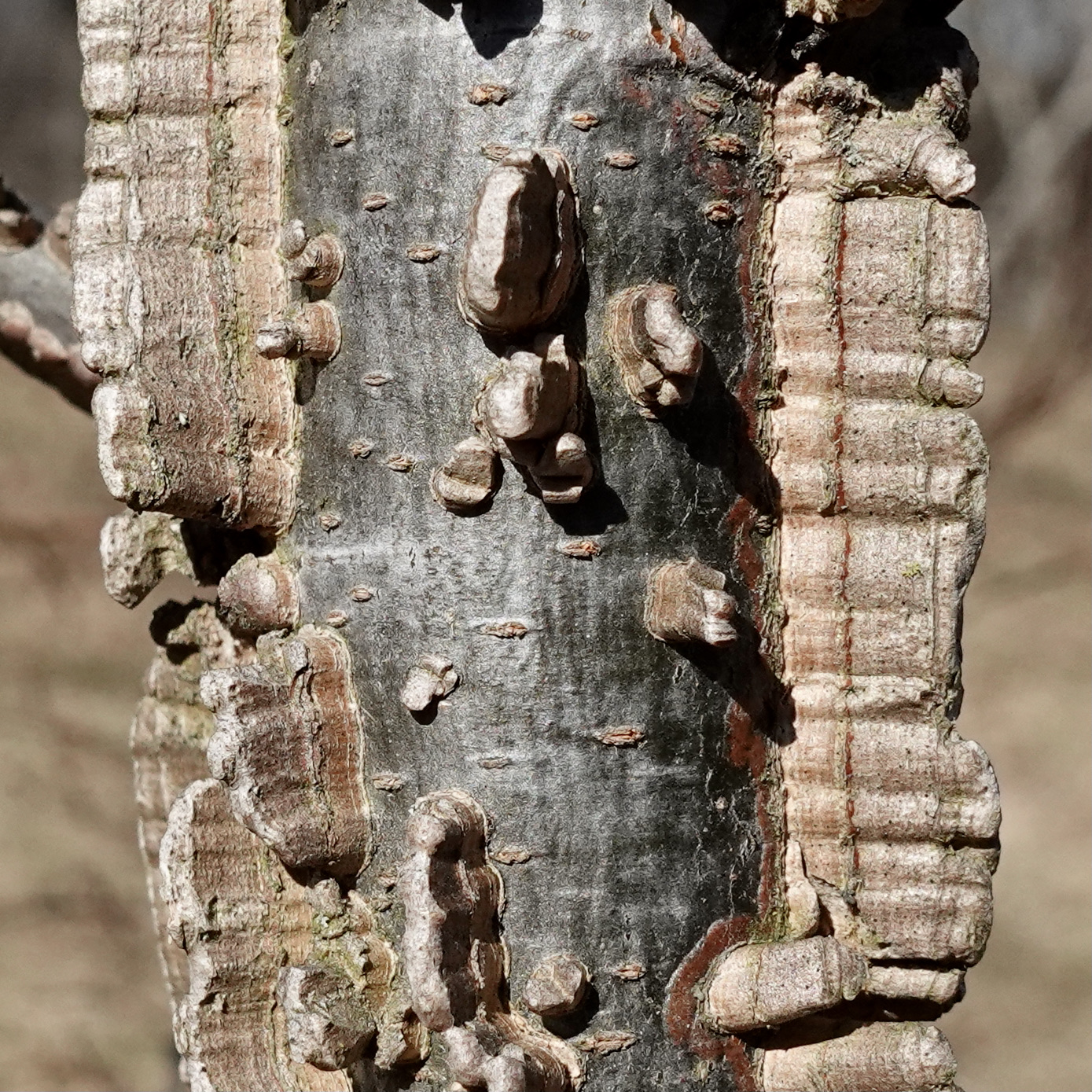
Figure 7. The two prominent beige wings of winged elm (Ulmus alata). Arnold Arboretum accession numbers 903-89*A. Photographs by William Friedman.
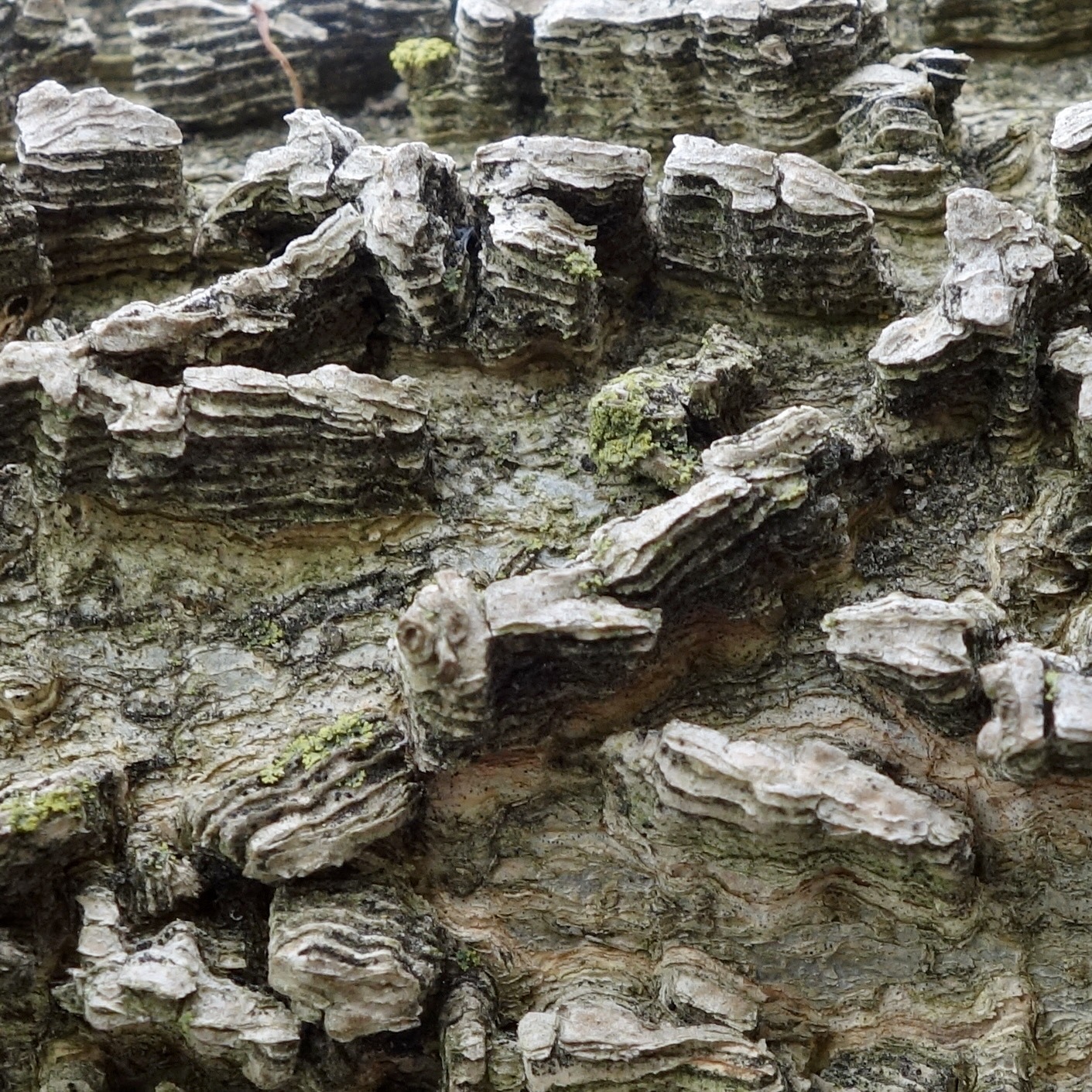
Figure 7. The canyonlands in miniature in the common hackberry (Celtis occidentalis). Arnold Arboretum accession numbers 356-84*A. Photographs by William Friedman.
But smooth bark in the winter is extraordinary in an understated way. In the colder months, the colors are at their most intense. The low, slanting sun strikes the bark directly, revealing textures and tones you can’t see at any other time of year.
With more than 60 species, the Arnold Arboretum holds the finest collection of maples (genus Acer) in the world. Snakebark maples are a small lineage whose common name beckons visitation to the dozen or so species growing at the Arnold Arboretum. These diminutive understory trees are almost human in scale. Approach and they immediately conjure a sense of being clothed in snakeskin. Depending on the species, the colors and textures vary wildly from tangerine to lime or olive green. Sometimes vertical stripes of inky black are on display. The white waxes and vivid colors practically dance in front of your eyes.
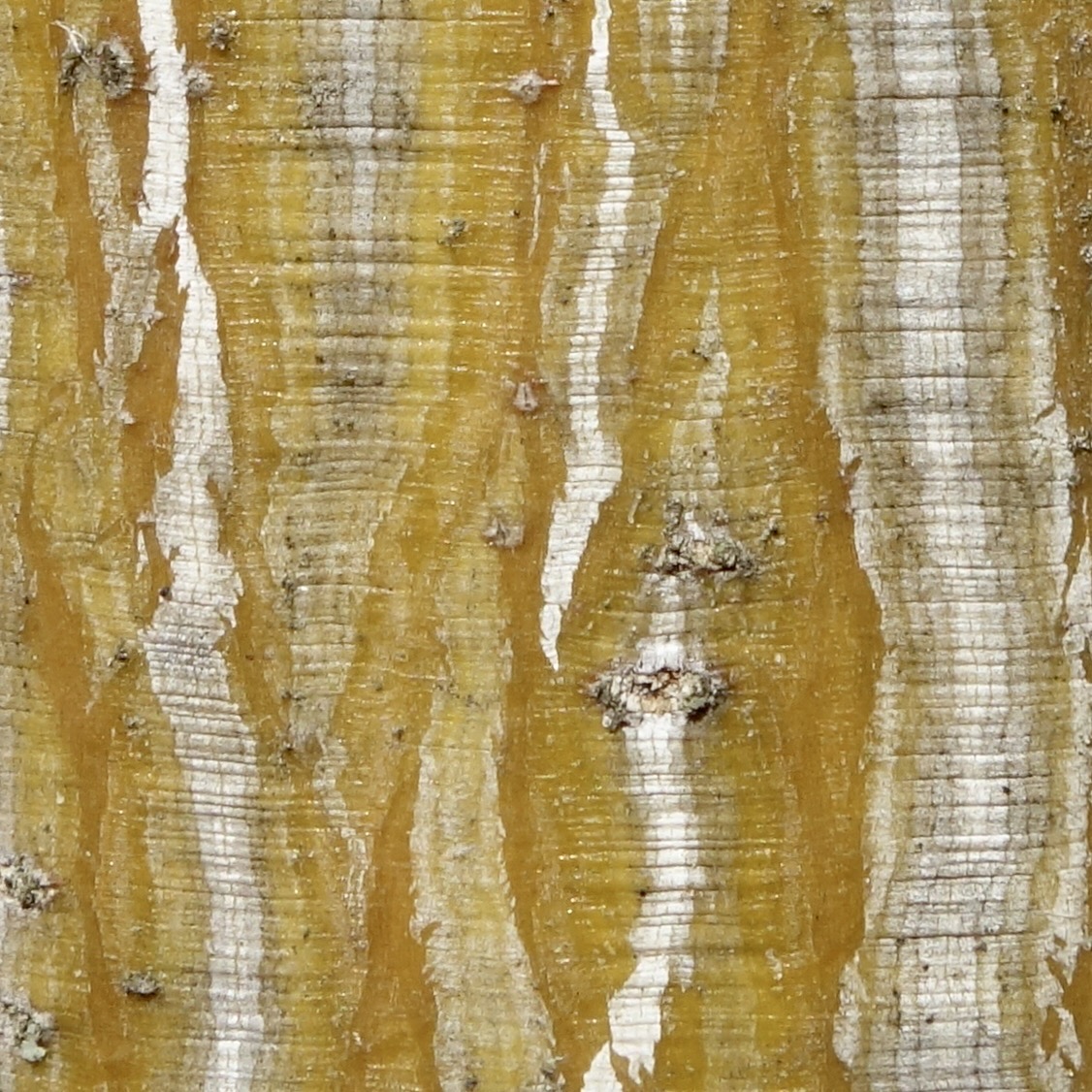
Figure 8. Two specimens of Manchurian snakebark maple (Acer tegmentosum). Variation is the rule in nature and part of the wonder. Arnold Arboretum accession numbers 22-95*B. Photographs by William Friedman.
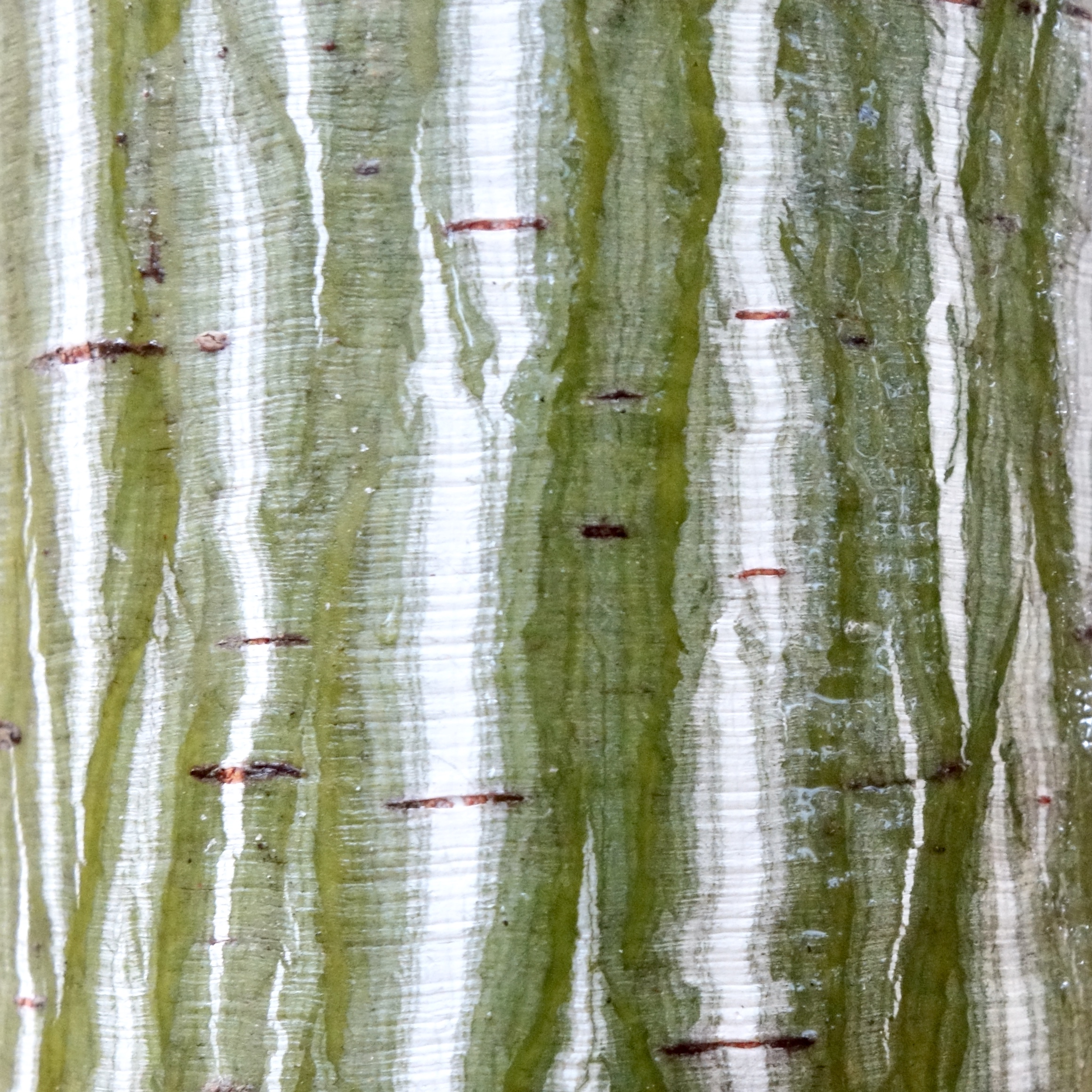
Figure 8. Two specimens of Manchurian snakebark maple (Acer tegmentosum). Variation is the rule in nature and part of the wonder. Arnold Arboretum accession numbers 1407-77*E. Photographs by William Friedman.
The specimen below, a paperbark maple, is a rare and highly endangered species in its native China. It has an almost muscular look, like sculpted sinew, and undergoes an astonishing transformation in winter. As the paperbark maple begins to peel, it creates fringes of bark that catch the low sun. If you align yourself just right, it looks as though a flame is running up the sides of the trunk. It literally glows.
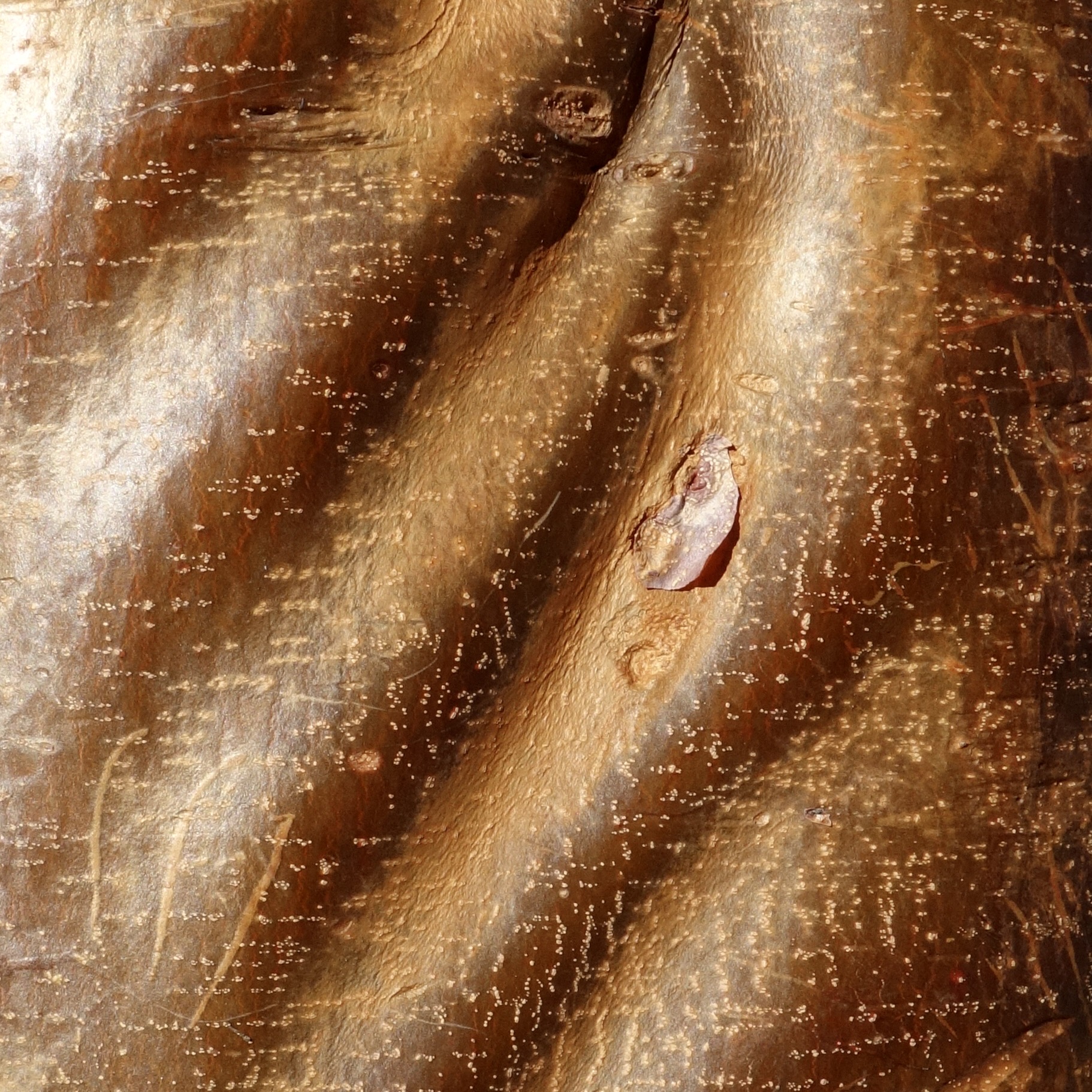
Figure 9. Paperbark maple (Acer griseum). Arnold Arboretum accession numbers 767-94*C. Photographs by William Friedman.
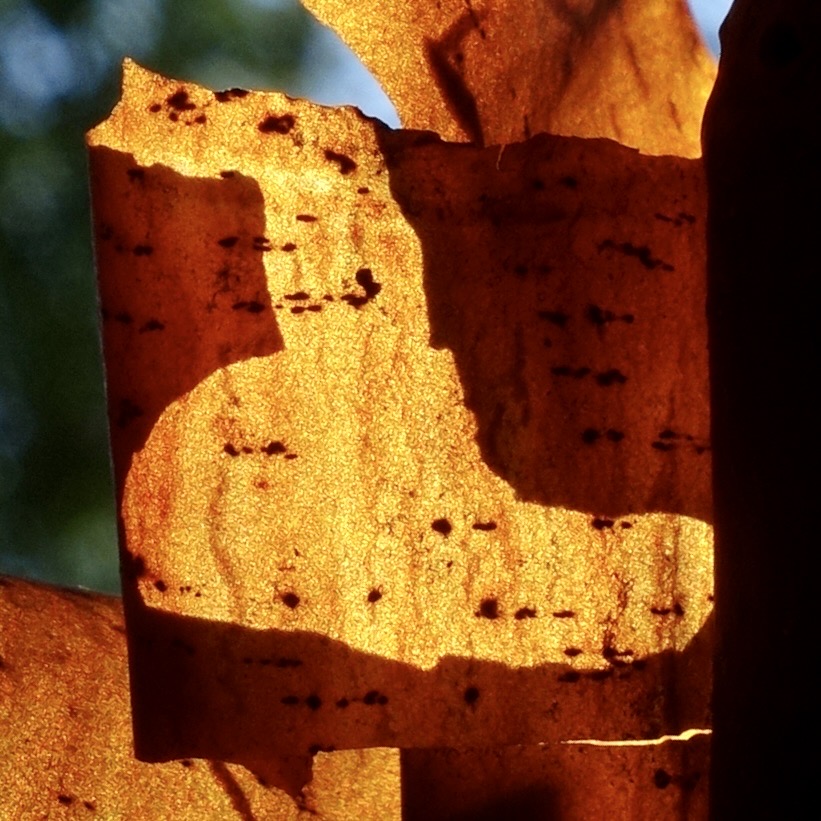
Figure 9. Paperbark maple (Acer griseum). Arnold Arboretum accession numbers 767-94*A. Photographs by William Friedman.
One winter day, I wandered into the elm gallery and saw something in a Chinese zelkova (Zelkova sinica) that I had not noticed before. The bark was glowing orange. The tree called to mind of a giraffe on the loose in the Arboretum, turning that quiet winter walk into a spectacle. Return in April and the orange has faded to barely there.
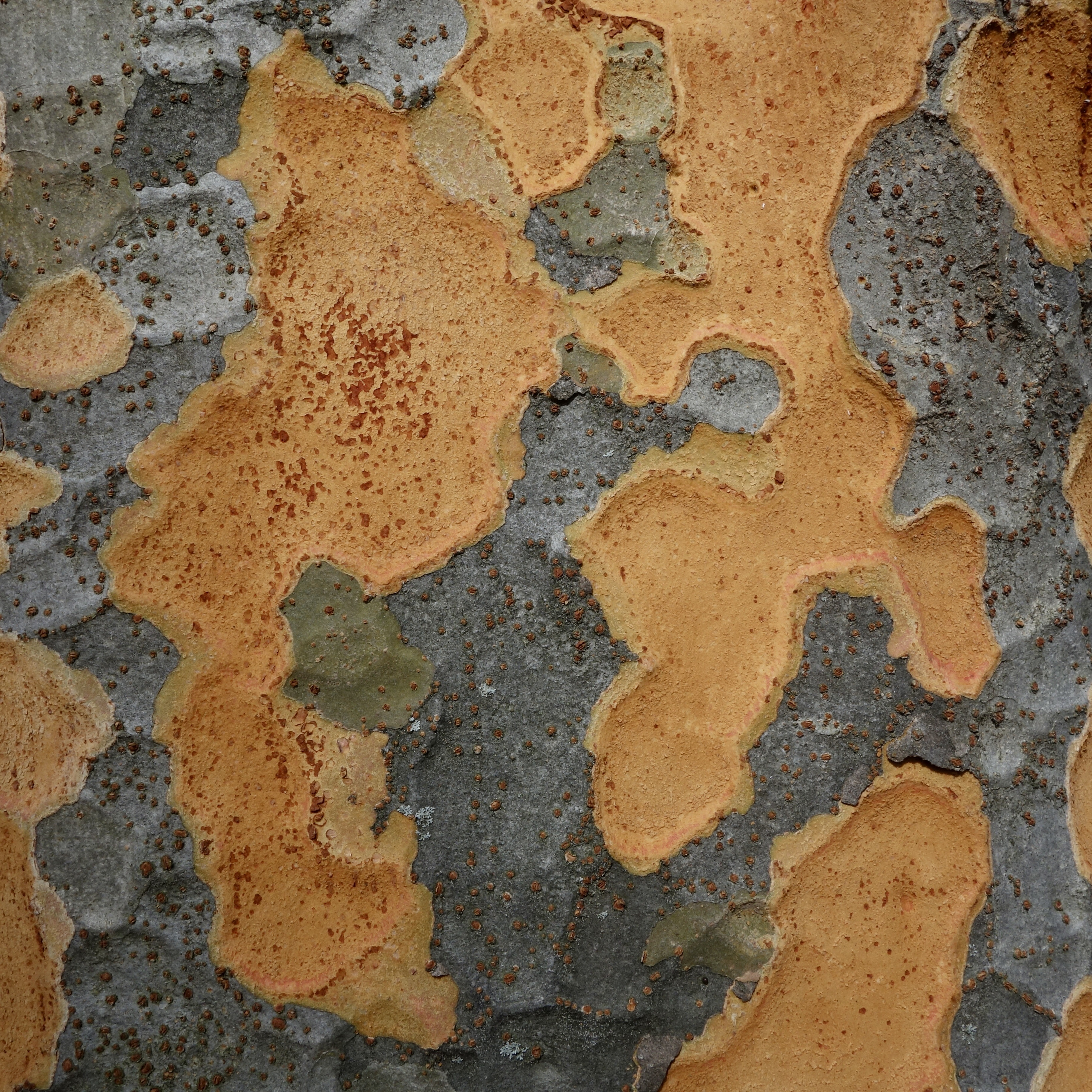
Figure 10. The brilliant oranges of freshly exposed patches of new bark in winter. Arnold Arboretum accession numbers 11578*A. Photographs by William Friedman.
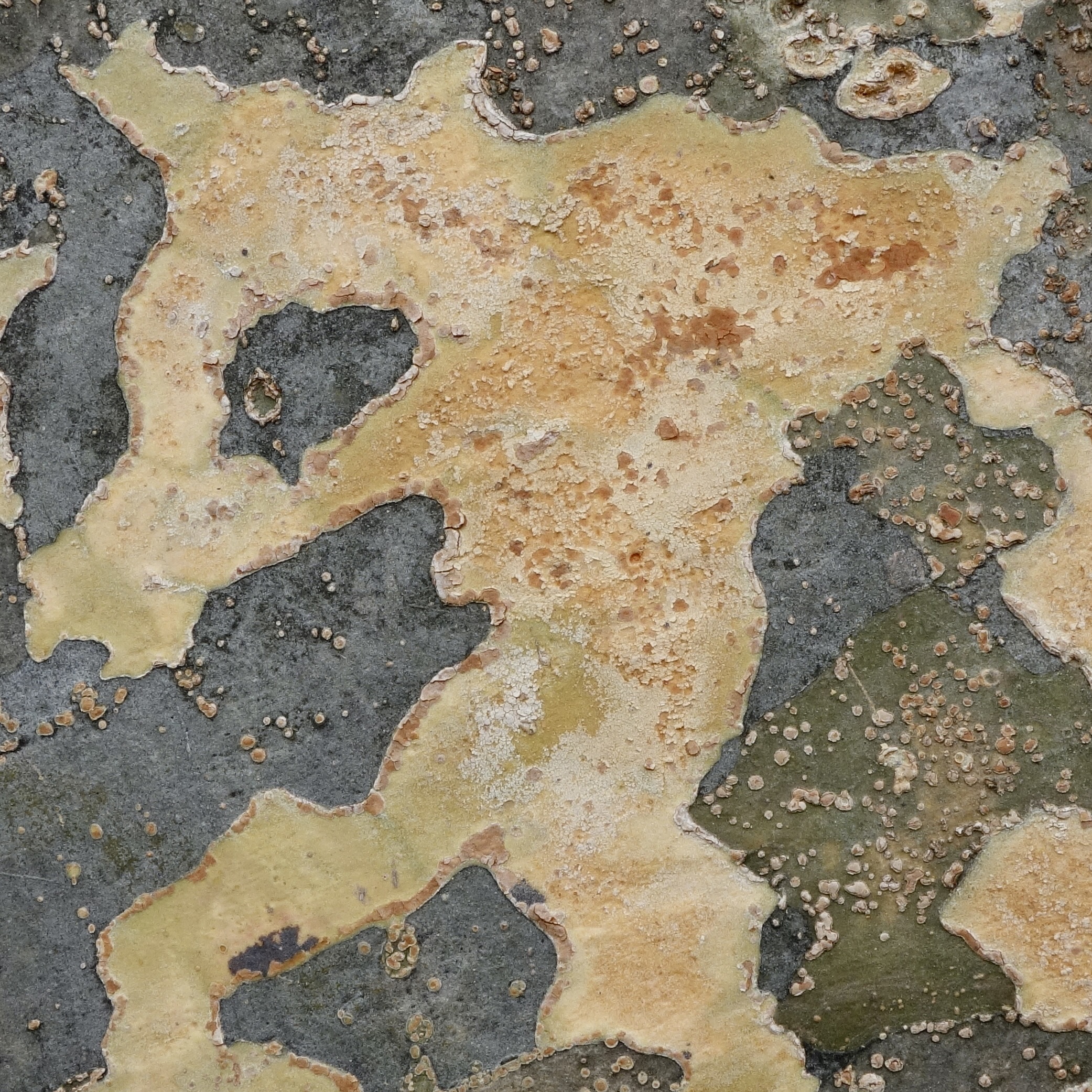
Figure 10. The orange bark fades quickly to a muted tone in spring in the Chinese zelkova (Zelkova sinica). Arnold Arboretum accession numbers 766-84*E. Photographs by William Friedman.
And perhaps my favorite smooth bark, one that I relish visiting each winter: a stunning lacebark pine (Pinus bungeana) from China, nestled in the Arboretum’s conifer collection. Most pines have rough and furrowed bark, grey to brown to red-imbued brown throughout the year. But the lacebark pine displays a set of smooth puzzle pieces of bark that range from silver and dark avocado green to grapefruit-rind yellow and burgundy red. At the end of its useful life protecting the inner parts of the tree from the slings and arrows of the external world, each puzzle piece of bark exfoliates and falls to the ground as a single unit. Look carefully and observe often, and you’ll begin to understand that the various colors represent patinas that mark time: The oldest patches of bark are the red puzzle pieces. Their time is almost up, their protective services rendered, and they’re ready to be replaced by fresh bark underneath. The grapefruit rind-colored pieces are the youngest bark, which will then transition over time through silvers and greens to the ultimate patina of red. Stand at the base of a lacebark pine in winter and there below your feet are the shed puzzle pieces of an outgrown skin.
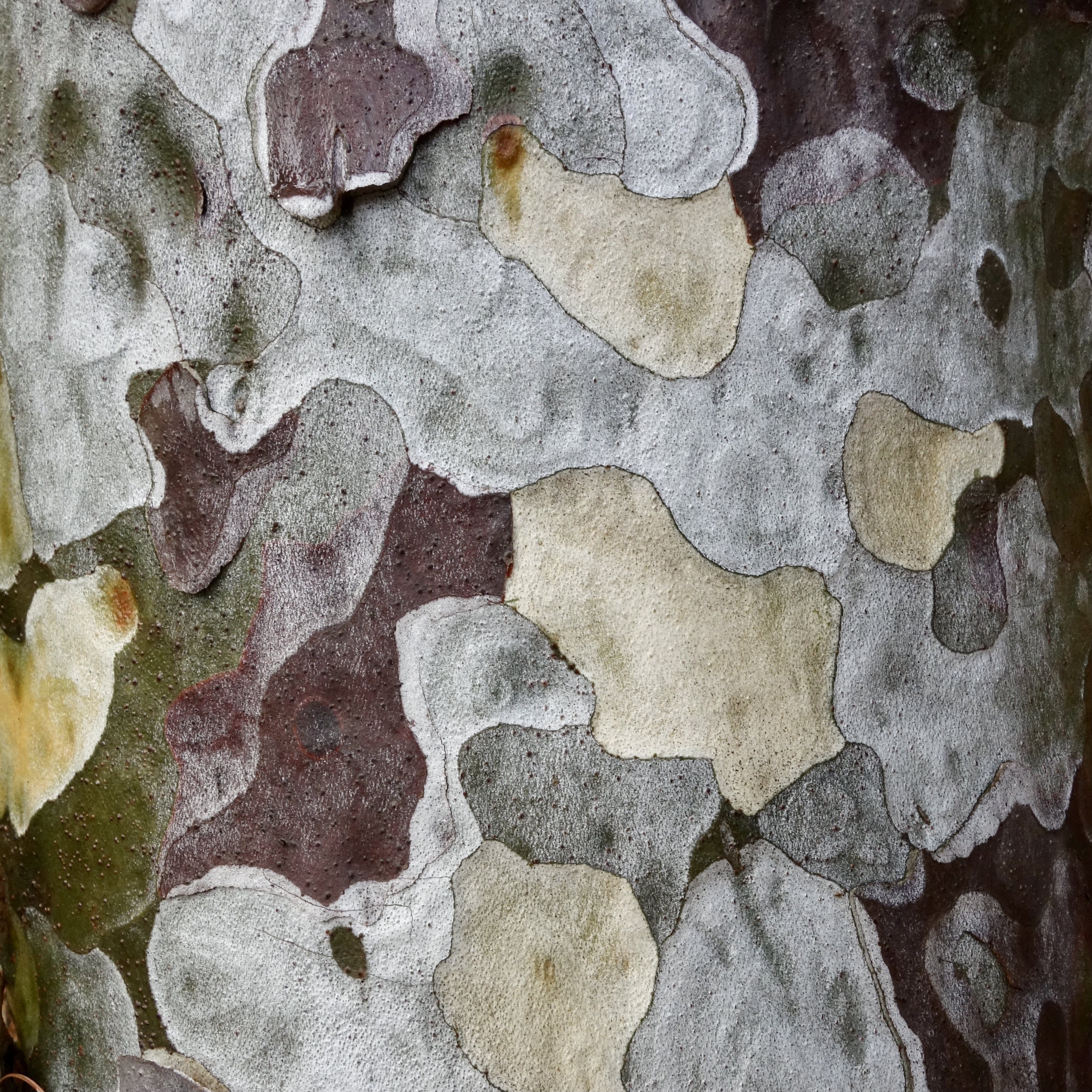
Figure 11. Lacebark pine (Pinus bungeana). A kaleidoscope of color in the winter. Arnold Arboretum accession number 663-49C . Photographs by William Friedman.
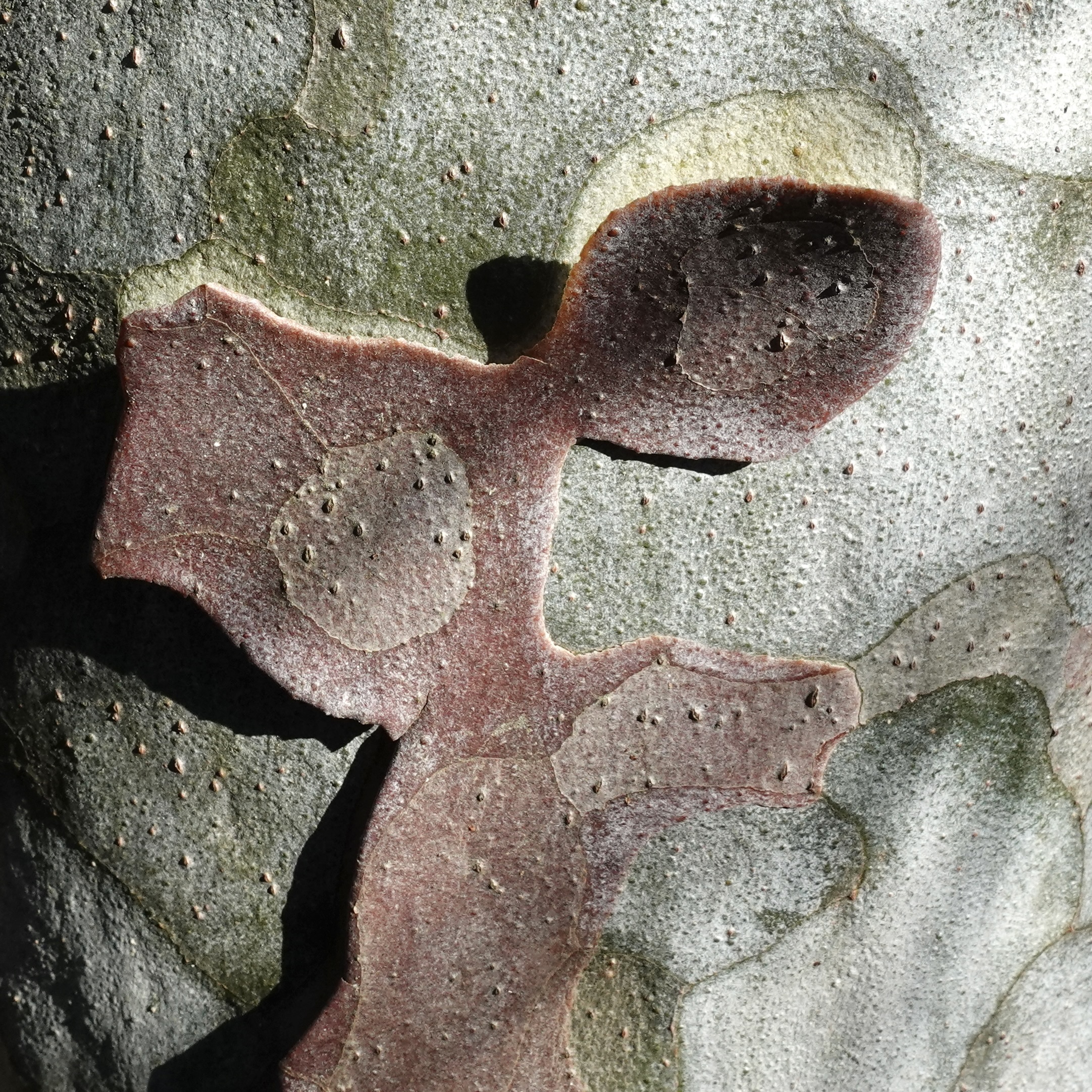
Figure 11. Lacebark pine (Pinus bungeana). An aged piece of bark peels away to reveal its underlying grapefruit rind-colored replacement. Arnold Arboretum accession number 663-49C. Photographs by William Friedman.
I want to end by sharing an experience that I know I will remember until the very end of my life. It remains the most extraordinary interaction I have ever had with the living world and with the universe. This experience, this final obsession, zooms us way out: from the terrestrial to the celestial. It requires we observe not only trees, but their interactions with planetary bodies and stars.
The encounter, with a beech tree, lasted only about two hours, but it exemplifies how careful observation can transform our lives. The beech tree is special, a mutant form of European beech, called the parasol beech, Fagus sylvatica ‘Tortuosa’. Rather than growing tall, the shoot systems spiral; the trees can never ascend to the sky. This particular specimen came to the Arnold in 1888 from the Royal Botanic Gardens, Kew, and was collected as a sapling in France, where it grew naturally. It is a magnificent tree—truly worth seeking out.

Figure 12. Parasol beech (Fagus sylvatica ‘Tortuosa’), truly a Mona Lisa among trees of the Arnold Arboretum. Arnold Arboretum accession number 14599*A. Photographs by William Friedman.
The inciting event for this encounter was a passage I had read in Aristotle’s Problematica, written more than two millennia ago:
Why, during eclipses of the Sun, if one makes observations of them through a sieve or through leaves (of a plane tree or another broad-leaved tree, for example) or by joining the fingers of one hand to those of the other, the beams become crescents on the ground?7
Of course, we now know that he’s describing the effect of a pinhole camera during an eclipse—in the case of the plane tree, the effect created by tiny gaps between overlapping leaves.
So, on August 21, 2017, inspired by Aristotle, I decided to stand beneath that parasol beech to witness a solar eclipse. I knew the canopy would cast intricate, overlapping shadows. I knew the ground would be dark and dappled—and that it might, just might, reveal something.
And this is what I saw.

Figure 13. The eclipse of 2017 under the parasol European beech at the Arnold Arboretum. Photograph by William Friedman.
The sun, 93 million miles away.
The moon, a quarter of a million miles away.
And above me, a nearly 150 year-old spiraling, mutant beech tree, originally from France.
I watched as the moon pass in front of the sun—watched its slow rotation traced in shadows on the smooth gray bark of the beech and the ground. And in those moments, I felt more connected to the universe than I ever have in my life. All because I learned to look.
I’ll end with a poem by Goethe—one I’ve carried with me since my graduate student days at the University of California, Berkeley, and one I hope will inspire you to look at nature anew, and keep looking.
“Parabasis”
Joyfully deliberating
Striving in the years long past
To understand how, in creating,
Nature lives—I saw at last
Ever the One itself revealing
As myriad ephemera,
Plurality the One concealing
Governed each by inner law.
Everlasting, evanescent,
Inaccessible, yet near,
Formed, transformed, through change incessant
Clothed in wonder I am here!8
William (Ned) Friedman
Professor William (Ned) Friedman is the eighth Director of the Arnold Arboretum of Harvard University (in its 153-year history) and Arnold Professor of Organismic and Evolutionary Biology at Harvard University. Friedman’s scholarly studies have focused on the earliest phases of the evolution of flowering plants, Darwin’s so-called “abominable mystery.” He is also deeply interested in the history of early (pre-Darwinian) evolutionary thought and particularly the largely forgotten contributions of horticulturists and botanists.
As Director of the Arnold Arboretum, Ned has worked to expand the Arboretum’s efforts to promote ex situ conservation of endangered woody plant species through a focused ten-year initiative centered on eastern Asia and eastern North America. As he continues to lead the Arboretum forward from its sesquicentennial year in 2022, two fundamental priorities will dominate the Arboretum’s focus: environmental justice and combating human-induced global change and extinction.

Footnotes
1 Johann Wolfgang von Goethe, Italian Journey: 1786–1788, trans. W.H. Auden and Elizabeth Mayer (Penguin Classics, 1970). “Bald will ich den botanischen Garten besuchen, in dem ich hoffentlich viel zu lernen habe. . . . Ich fühle mich, obgleich doch immer noch derselbe, durch und durch verändert.” [Return to Section]
2 Goethe, Italian Journey, 71. “Unter einer fremden Vegetation umherzuwandeln ist angenehm und belehrend. Aber mit dem Bekannten geht es ebenso; am Ende denkt man nicht mehr darüber nach.” [Return to Section]
3 Goethe, Versuch die Metamorphose der Pflanzen zu erklären (Carl Wilhelm Ettinger, 1790). [Return to Section]
4 Since 2012, this simple daily practice has generated more than 15,000 images, which I make available through a public database. Anyone in the world can peruse and use my photographs as they wish. See https://arboretum.harvard.edu/plants/image-search/?keyword=Friedman&submit=Search. [Return to Section]
5 Goethe, “Maximen und Reflexionen,” in Werke, Vol. XIII: Naturwissenschaftliche Schriften, Hamburg ed., ed. Erich Trunz (Christian Wegner Verlag, 1949–1960), 38. “Jeder Gegenstand, wohl betrachtet, öffnet ein neues Organ in uns.” [Return to Section]
6 Goethe, “Spruche in Reimen, Werke, Vol. I: Erster Teil, Gedichte und Epen I, Hamburg ed., ed. Erich Trunz (Christian Wegner Verlag, 1948–1960), 288. “Willst du dich am Ganzen erquicken,/So mußt du das Ganze im Kleinsten erblicken.” [Return to Section]
7 Aristotle, Problematica, Book 15, Problem 11. [Return to Section]
8 Johann Wolfgang von Goethe, Goethe’s Botanical Writings, trans. Bertha Mueller (Ox Bow Press, 1989; reprinted by University Press of Hawaii, 1952), 20. “Freudig war vor vielen Jahren, / Eifrig so der Geist bestrebt,/ Zu erforschen, zu erfahren, / Wie Natur im Schaffen lebt./Und es ist das ewig Eine, / Das sich vielfach offenbart; / Klein das Große, groß das Kleine, / Alles nach der eignen Art. / Immer wechselnd, fest sich haltend, / Nah und fern und fern und nah; / So gestaltend, umgestaltend — / Zum Erstaunen bin ich da.” [Return to Section]
Suggested Citation
Friedman, William. "Tree Obsessions: Glimpsing the Ephemeral in Long-Lived Plants of the Arnold Arboretum" in Thinking with Plants and Fungi: Interdisciplinary Explorations of Ecology, Mind, and the More-than-Human World, edited by Rachael Petersen, Russell Powell, and Natalia Scott Schwein. Center for the Study of World Religions, Harvard Divinity School, 2026. https://doi.org/10.70423/0003.14