Mystical Scriptures: The Transcendentalists’ “Cabinet of Mystic and Theosophic Lore”
The “Mystical Scriptures” platform revives this collection as an open digital resource: an annotated index of over two hundred titles, with open-access links—where available—to digitized copies matching the editions listed in The Dial catalogue (or the closest available equivalents), alongside brief descriptions, selected excerpts, and audio readings of key passages. Visit: mysticalscriptures.com

In April 1843, the Transcendentalists’ periodical The Dial departed from its usual mix of essays, poems, and reviews to publish a rare catalogue of over two hundred titles, forming a “cabinet of mystic and theosophic lore.” The cabinet was a curated selection of esoteric titles from a larger library of nearly one thousand volumes that had been assembled by a progressive, mystical community in England, associated with a spiritual reformer and mystic James Pierrepont Greaves. Greaves’s utopian educational community, known as Alcott House, was named after Bronson Alcott, news of whose educational and spiritual experiments had circulated in Britain through Harriet Martineau’s writings, Elizabeth Peabody’s Record of a School, and Alcott’s own Conversations on the Gospels.
When Alcott visited Alcott House in early 1842, shortly after Greaves’ death, he discovered there what he described as “the most select and rare library he has seen, including most of the books which we have sought with so ill success on the other side of the water.”[1] Writing to Emerson, Alcott marveled that “almost every mystic author has place.”[2] Alcott persuaded Charles Lane, Greaves’ most devoted disciple, to join and help finance a new communal experiment at Fruitlands in Massachusetts, and there Greaves’ books would have their first new home. Emerson himself saw the books through customs on October 26, 1842. Excited, he wrote to his brother: “They have brought out a thousand volumes, chiefly mystical and philosophical books . . . Tonight this cabalistic collection arrives in Concord. We shall scarcely need the moon any longer o’ nights.”[3]
The “mystic and theosophic” cabinet that Emerson, as editor of The Dial, presented to readers was more than a simple list of titles. Introduced as a resource to be held “in trust for universal ends” for “the commencement of an institution for the nurture of men in universal freedom of action, thought, and being,” [4] the catalogue functioned as an intellectual map and an esoteric curriculum. These books reflect the wide range of spiritual traditions to which the Transcendentalists felt drawn, read with intensity, and which quietly circulated among them.
To open the “Cabinet” is to reveal some of the underlying sources of Transcendentalist thought and enduring fascinations—mysticism, wisdom literature, and testimonies of inward illumination—and to see their reading practices in comparative philosophy and religion, long before such practices birthed academic fields.
The most consequential afterlife of this catalog inside The Dial is the editorial series “Ethnical Scriptures,” first appearing in July 1842 and officially titled as such in the April 1843 volume.[5] In nineteenth-century usage, the word “ethnical” referred broadly to non-Biblical traditions. The Dial’s Cabinet presents excerpts from Persian, Chinese, and Indian sources—materials rarely treated as sources of religious authority in nineteenth-century Protestant America. Even the title “Ethnical Scriptures” was a bold gesture. Amid Unitarian disputes, pamphlet wars, and deep anxieties about religious authority and innovation, calling non-Christian (and sometimes explicitly esoteric) texts “scriptures” was not neutral, for it signaled that moral and divine wisdom could be encountered outside New England’s inherited institutional and religious boundaries.
The “Ethnical Scriptures” series was unsigned but scholars believe that it was largely edited by Emerson and Thoreau. What stands out is their minimalist editorial approach: excerpts were presented with little or no framing, allowing the texts to speak authoritatively for themselves without being overwhelmed by commentary. The series’ editors seemed to trust the texts and its readers.
The books from Alcott’s and Lane’s curated list did not remain intact. The Fruitlands library was scattered in a matter of months after the community’s dissolution in January 1844. Some volumes moved through private collections and into institutional collections. Some fell into obscurity; others circulated more widely through translation and reprinting. But even dispersed, the library continued to influence the Transcendentalists’ later reading and writings.
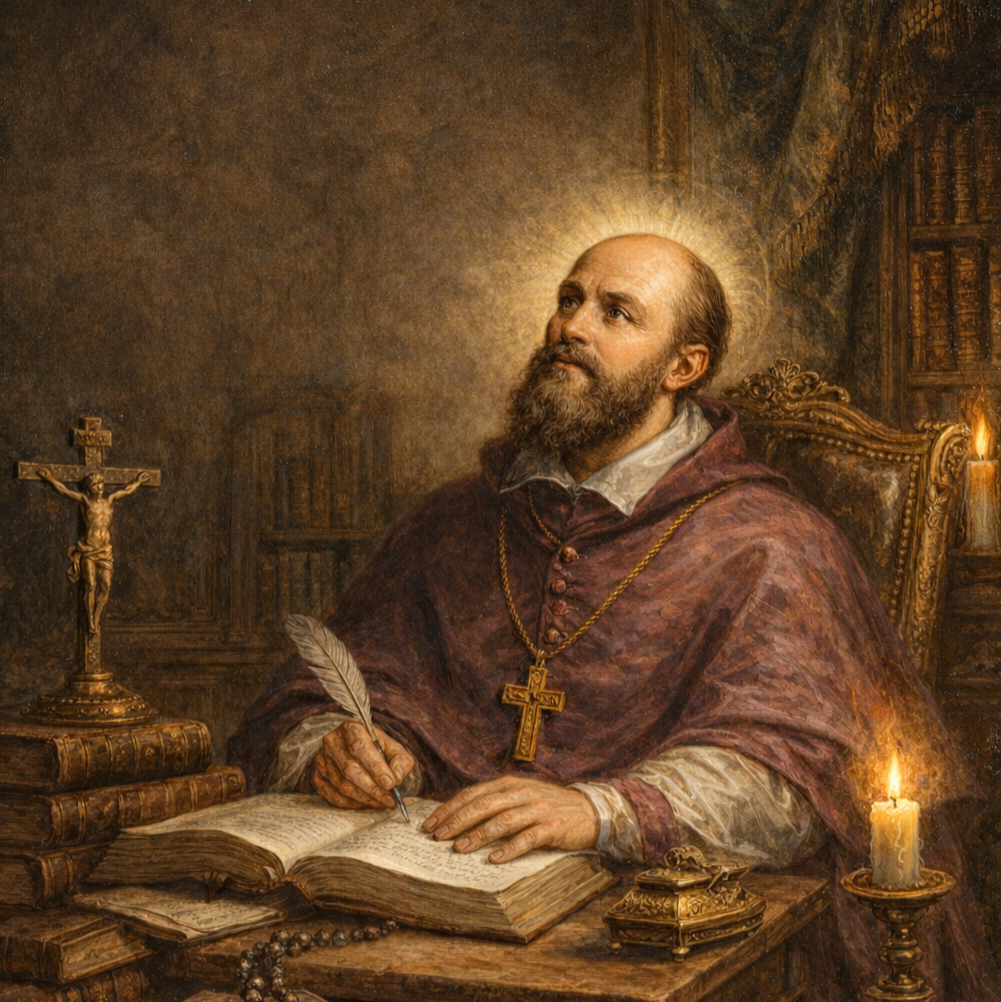
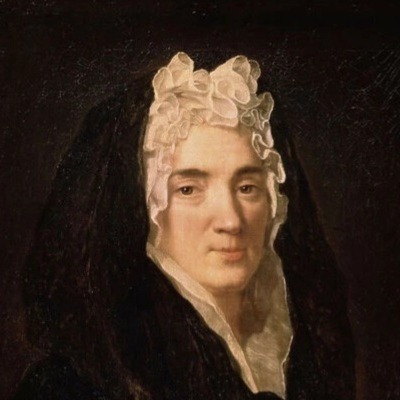
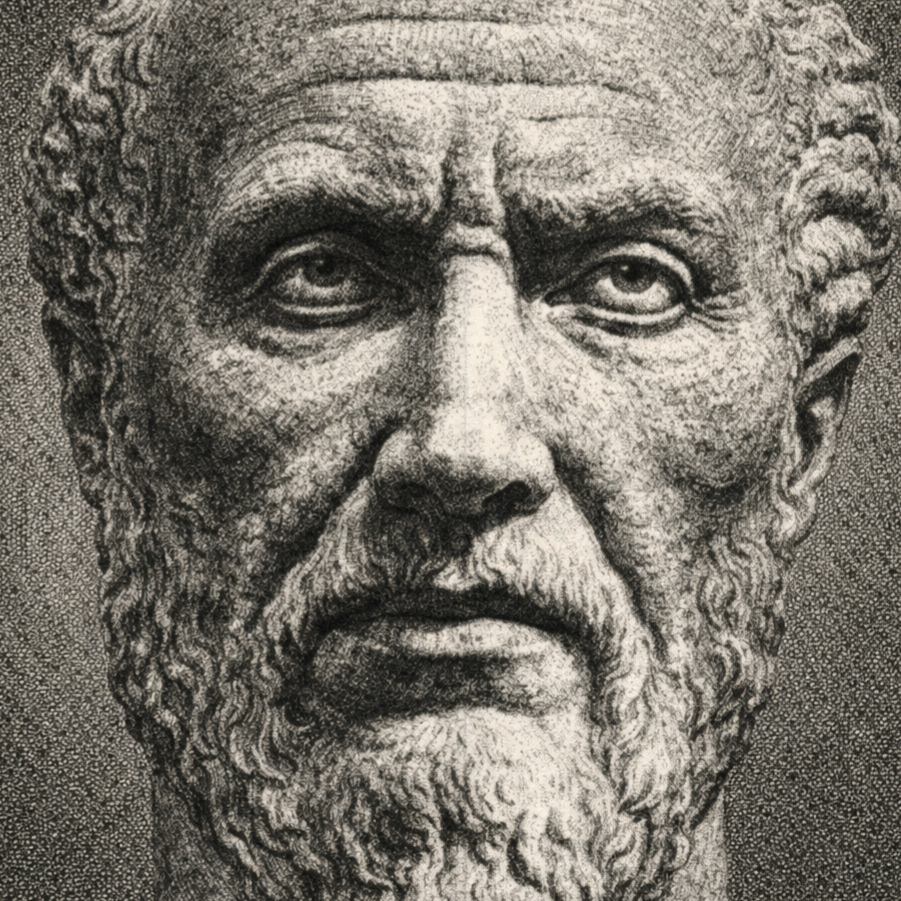
The Mystical Scriptures platform opens this forgotten cabinet, bringing its volumes back into view, illuminating the specific constellation of “mystic and theosophic” sources in which the Transcendentalists read: ancient philosophy, especially Neoplatonism; classics of Christian mysticism; modern mystics such as Jakob Böhme, Madame Guyon, Emanuel Swedenborg; translations of texts in Persian, Sanskrit, and Chinese. Whereas Alcott and Lane could not share the physical library but could only disseminate a list, the “Mystical Scriptures” project does both by digitally presenting this corpus as a coherent, navigable resource, allowing readers to trace these connections across texts, traditions, and editions in ways that were previously difficult or impossible.
[1] Bronson Alcott to Mrs. Bronson Alcott, 12 June 1842, in The letters of A. Bronson Alcott, edited by Richard Herrnstadt (Ames, Iowa State University Press, 1969), 69.
[2] Ibid., Bronson Alcott to Ralph Waldo Emerson, 2 July 1842, 82.
[3] Ralph Waldo Emerson to William Emerson, Concord, October 26, 1842 in The Letters of Ralph Waldo Emerson (New York: Columbia University Press, 1939) Vol. 3, 93.
[4] Ibidem.
[5] The first installment, “Veeshnu Sarma” appeared in July 1842 and was followed by “Laws of Menu” in January 1843. The title of the series, “Ethnical Scriptures” did not appear until April 1843, the same volume which also included the “cabinet.”
This project has benefited from conversations with colleagues and interlocutors at various stages of its development. I am especially grateful to Charles Stang, Aaron Ullrey, Russell Powell, John Kucich, Paul Schacht, Rochelle Johnson, Jeff Cramer, and Zachary Davis for their questions, insights, and encouragement along the way.