Rediscovering Thoreau: A Conversation with Filmmaker Erik Ewers
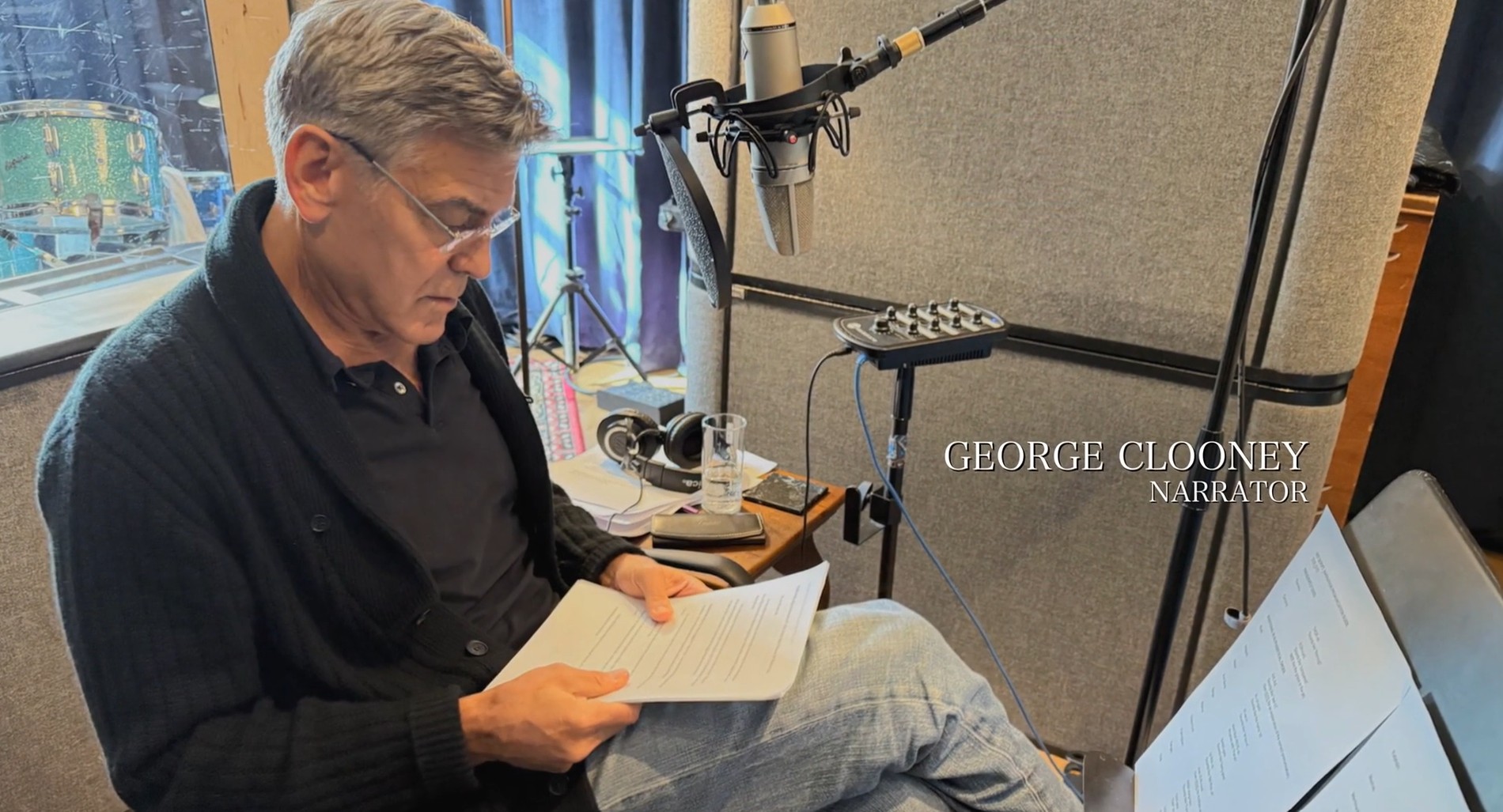
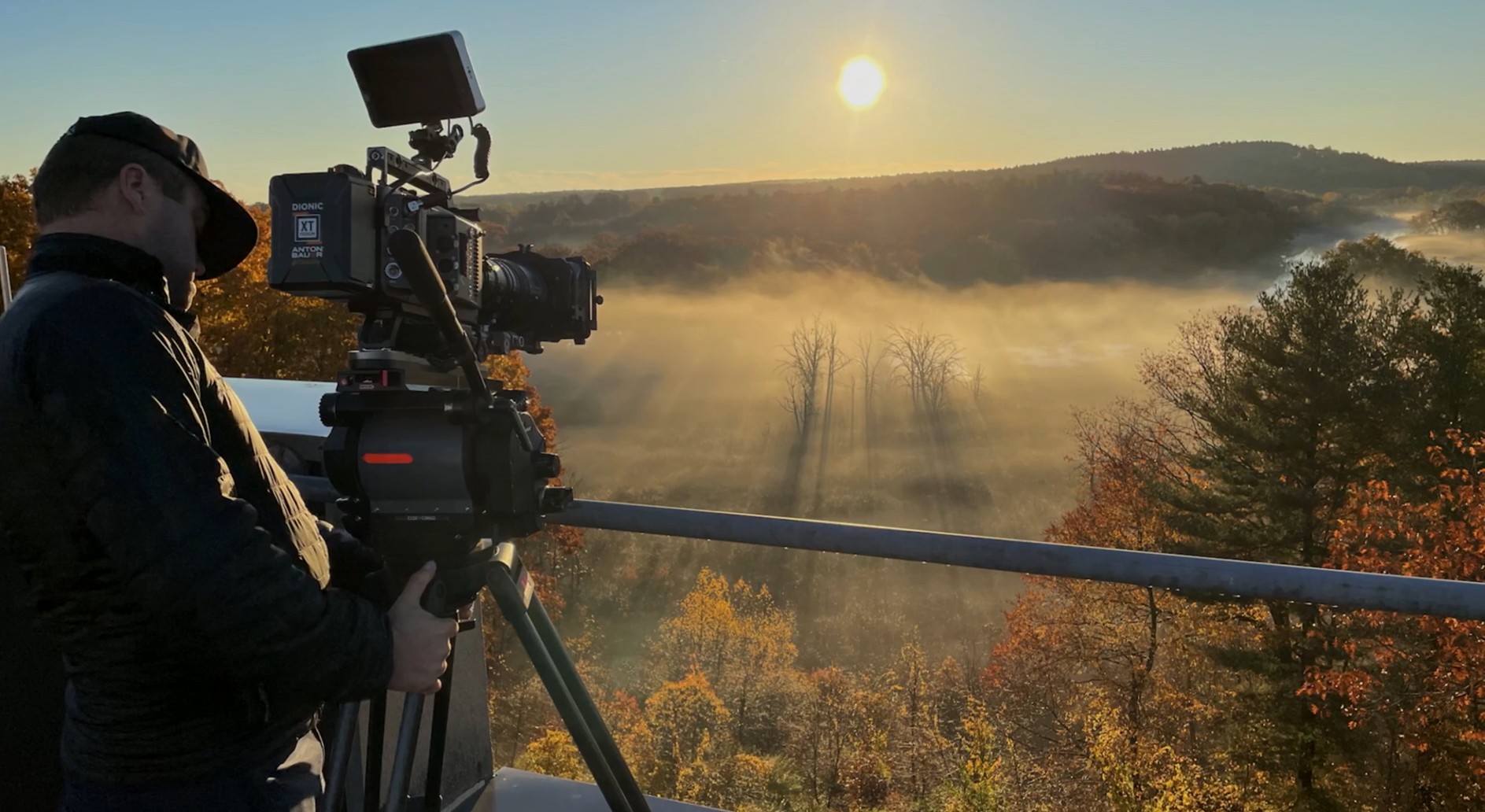
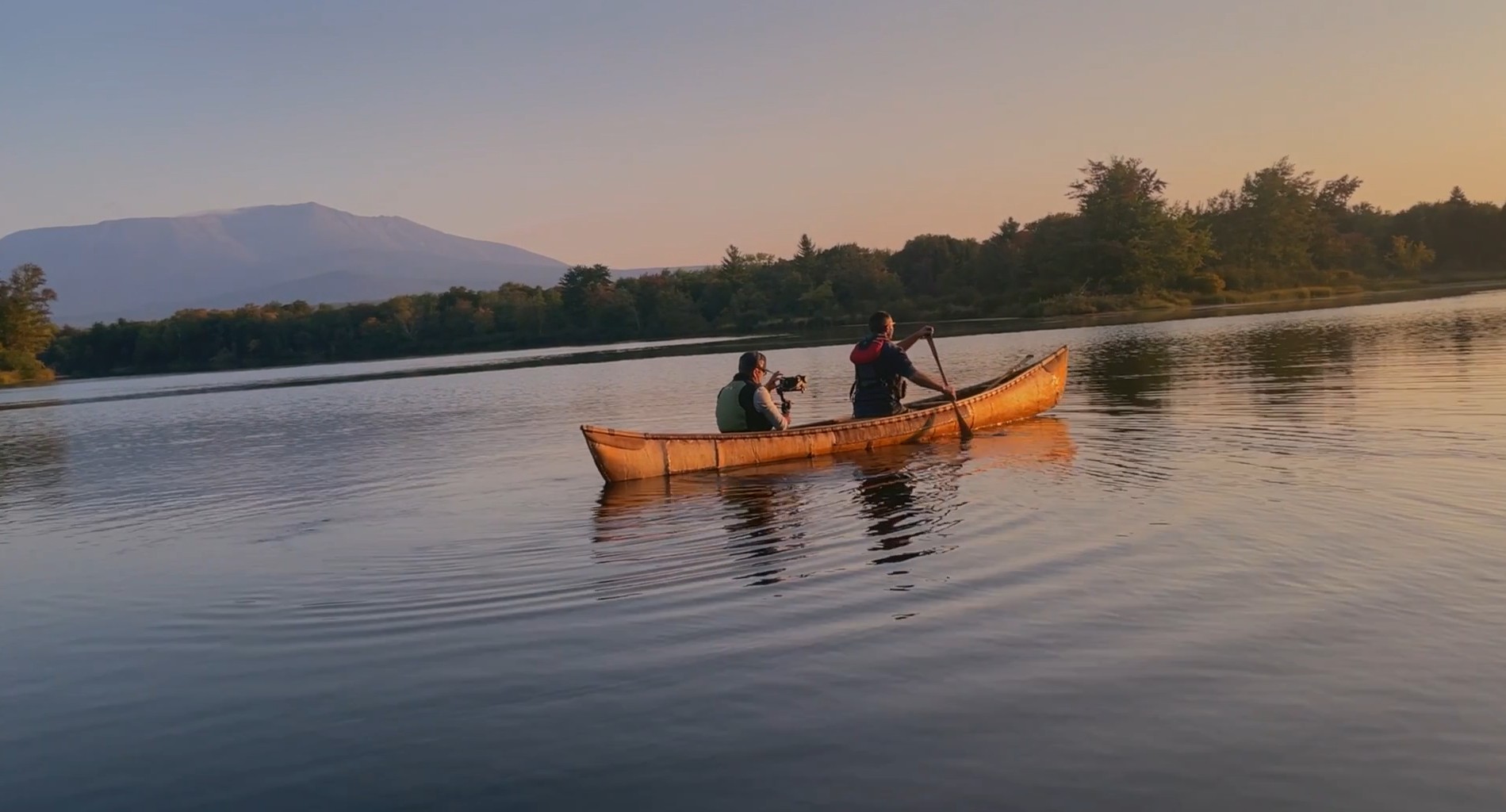
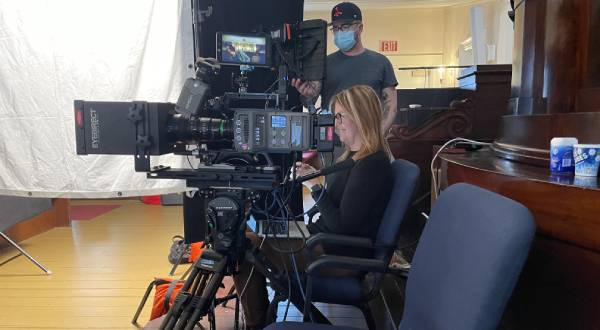
On March 30, a highly anticipated new three-part documentary on Henry David Thoreau—directed by Erik and Christopher Ewers and executive produced with Ken Burns and Don Henley—will make its premiere. But before it hits screens nationwide, we have an exclusive look behind the scenes.
Ahead of our special screening and live Q&A with the filmmakers on April 3, Gosia Sklodowska, CSWR Executive Director, sat down with co-director Erik Ewers. In a deeply personal conversation, he shared what it takes to humanize an American icon, the difficult cutting-room decisions that shaped the series, and how years spent exploring Thoreau’s ideas ultimately changed his own life.
Ken Burns Presents "Henry David Thoreau": A Screening and Discussion with Filmmakers and Scholars
Friday, April 3, 2026, 2 - 4:30pm, Carpenter Center, 24 Quincy St., Cambridge, MA
INTERVIEW WITH ERIK EWERS
Gosia Sklodowska: What first convinced you that Thoreau was the right subject for this documentary, and why now?
Erik Ewers: I wish I had a romantic answer. Growing up near Walden, my brother and I were exposed to Thoreau in high school, and I’m more than willing to admit that I got a C- on my Thoreau essay in English class. My teacher said it lacked insight. Back then, we lived a pretty privileged teenage life. We didn’t feel the kinds of looming issues that young people experience today—environmental crises, political turmoil, all of that. We simply lacked the life experience that Thoreau was appealing to.
Then, around 2015, Ken Burns called me at the edit house and said, very casually, “Hey, pal, would you and your brother want to do a short film with Don Henley on Walden Pond?” That was really my reintroduction to Thoreau. Once I started really trying to read his words, I realized he had this almost prophetic sense—a man centuries ago writing about the way we live now. When he talks about people living “lives of quiet desperation,” swept up in work, in status, in what he called “surplus,” I found that incredibly profound. Very quickly, we realized that his story was much deeper than Walden Pond itself, and that’s when we knew this had to become a much bigger project.
Sklodowska: The film’s pacing seems very deliberate, especially early on. How did you design the viewer’s experience?
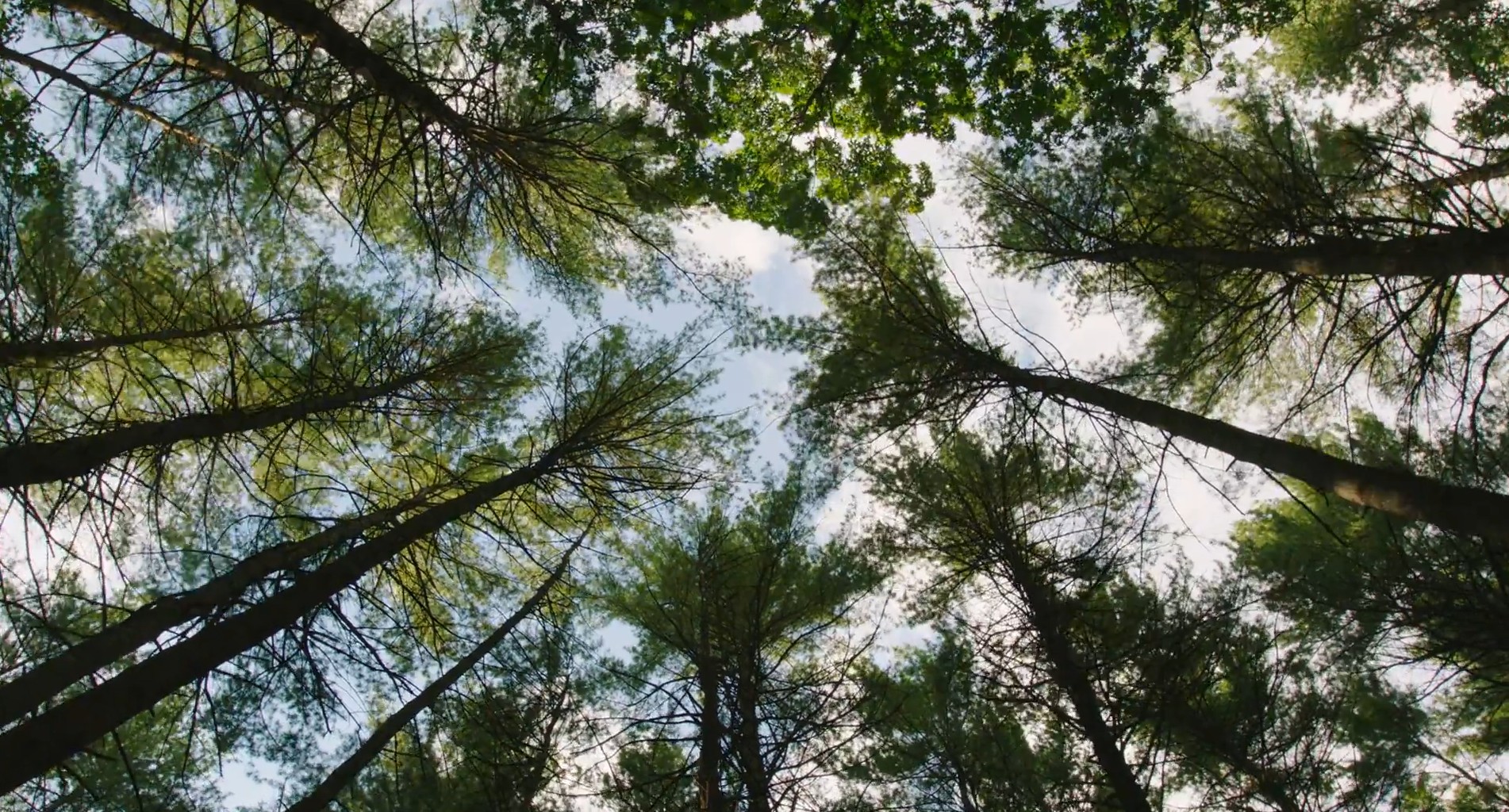
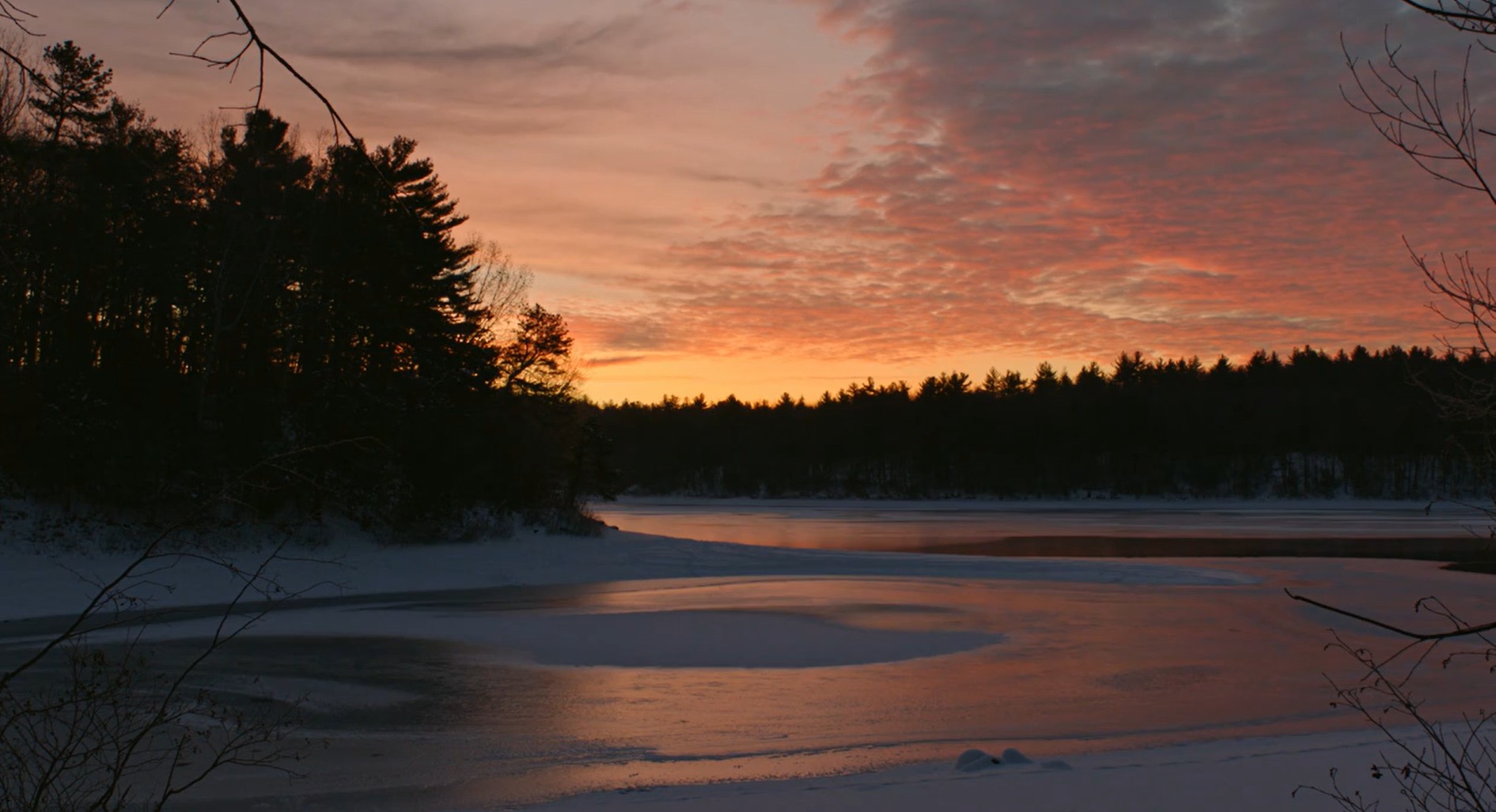
Ewers: We show today’s modern society in high-speed motion—jets and high-speed vehicles. At the same time, Thoreau is talking about how man moves faster and freer than ever before. And then we made a conscious choice to have it just explode into silence. You’re just in nature, you hear the silence, and we hold that moment. We wanted to offer those contrasts right out of the gate, planting a seed that we hope will grow in the viewer as they watch the rest of the film.
Sklodowska: The film brings together archival materials, landscapes, and the voices of scholars. How did you balance those elements in telling the story?
Ewers: It really comes down to something Ken Burns calls “the process.” It sounds a little strange, but if you follow the process carefully enough, the film eventually reveals itself. My philosophy has always been very simple: I don’t tell the film what to do. The film tells me what to do.
Sometimes the best image doesn’t work. Sometimes the best interview clip doesn’t work. Even the perfect piece of music might not belong in the film. You could force those things in as a director, but if the film is telling you it doesn’t fit, you have to listen. I often explain it with an analogy. Every film has multiple threads—different stories, different themes. A single thread isn’t very strong, but if you weave those threads together, they form a rope. The rope is the film. Our job was to make sure those threads appear at the right moment in the story.
The first assembly of the film was enormous. Episode three was five and a half hours long; episode two was three and a half hours; episode one was two hours. And they all had to become one hour each. So there were a lot of beautiful moments that had to be cut. For example, we used to start episode two with the writer Pico Iyer. He described how, as a young man, he had a very successful business and an office on Park Avenue, living the high life. But one day, he picked up Thoreau, and the more he read, the more dissatisfied he became. He quit his job, moved to Japan, and lived in an apartment with no phone or TV—all because he wanted to live his life differently. It was a perfect story, but we eventually had to drop it because if you try to put too much in, the viewer becomes distracted.
Sklodowska: Did working on the film change how you thought about Thoreau as a historical figure?
Ewers: One of the most important things our scholars told us early on was that Thoreau is too often placed on a pedestal. He becomes a legend, and his writing gets reduced to a few quotes on refrigerator magnets. But no human being is perfect. In Ken’s filmmaking world, we talk about something called the “undertow.” The undertow is the tension beneath the surface of a person’s life story—their contradictions, their flaws, the parts that make them human. If you portray someone as perfect, audiences actually disconnect from them; they stop relating to them. So we wanted to show the whole person.
For example, Thoreau romanticized Indigenous cultures for much of his life. When he finally visited a reservation and saw poverty and a Catholic church rather than the traditional culture he imagined, he reacted with disappointment and even made some superficial judgments. But the story doesn’t end there. Over time, his thinking evolved, and he came to a much deeper understanding. What mattered about Thoreau was that he was always willing to question his own assumptions. He was always trying to find the truth.
Sklodowska: One of the most powerful moments in the film is Thoreau’s journey up Mount Katahdin. Why is that episode so significant?
Ewers: He was completely obsessed with reaching the summit and having a kind of spiritual revelation there. He climbed ahead of his companions and pushed himself into terrible weather. Eventually, he had to turn back. He never made it to the top, and he was deeply disappointed.
But when he came down the mountain, he found his companions sitting in a meadow eating blueberries on a warm afternoon. Something about that moment struck him. Later, he realized that the feeling he experienced in that meadow was the same feeling he had known while walking through the fields near his home in Concord. That’s when he understood something important: a spiritual awakening doesn’t necessarily happen on the summit of a mountain. It can happen in your backyard.
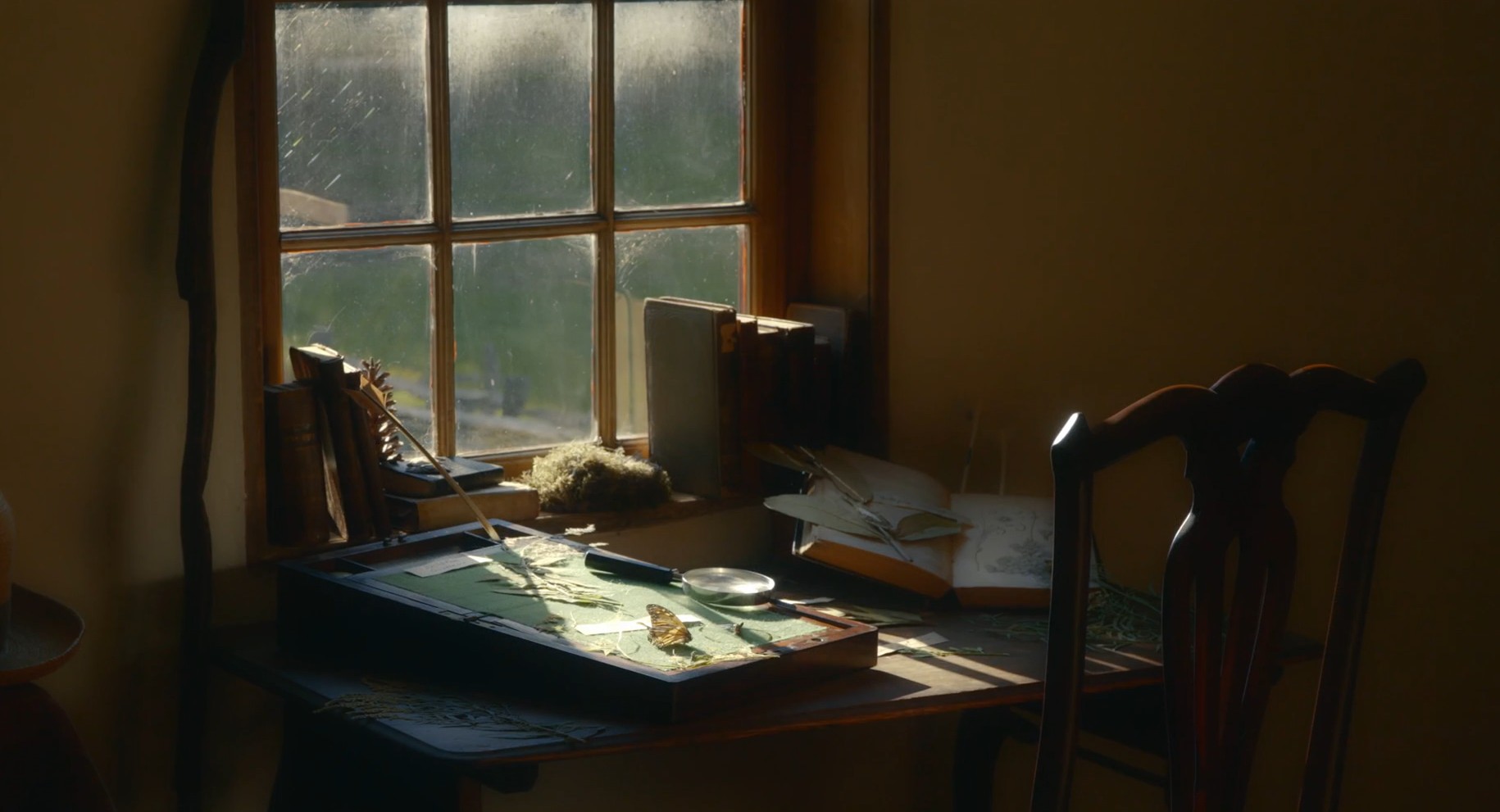
You don’t even need to be deep in the woods. When we filmed the replica of Thoreau’s cabin, it was sitting in a parking lot at Walden. It couldn’t be more embarrassingly placed outside of the real nature he was in. But we captured magic there by focusing on the details and asking: How would Thoreau see it? My brother found it in a rainbow in a cobweb, and in “Jacob’s Ladders” of sunlight coming through holes in a leaf. That’s one of Thoreau’s biggest messages—you can find your spiritual awakening pretty much anywhere if you have the eyes to look for it.
Sklodowska: Many readers first encounter Thoreau in school and feel distant from him. What do you hope audiences rediscover in him through this film?
Ewers: What struck me most about Thoreau is that almost everything he did was driven by a search for truth. When he arrived at a philosophical conclusion, he didn’t just stop there; he kept testing it. He once wrote a line that captures this perfectly: “If you build castles in the air, now put foundations under them.” That’s what he was doing—testing ideas against experience. And I think that lesson is incredibly important today. Thoreau says it’s on you to pursue the truth. Don’t just sit and wait for it.
Sklodowska: You’ve said that making documentaries can change the filmmaker as much as the audience. Did working on this project change you?
Ewers: Every film changes you in some way. Our previous project, which focused on youth mental health, really altered the trajectory of my life. Listening to those young people talk about their experiences made me realize how much anxiety I had carried since childhood. Both my brother and I ended up seeking therapy thanks to that film. Because of those brave 23-year-olds we interviewed, I was able to become the person I always knew I was, but couldn’t find. I found complete closure on everything that happened in my life with my mother and my father, and I have forgiveness in my heart.
With Thoreau, the lesson was different. It was about balance. I work in a hectic career, but I’ve started doing small things differently. I go on walks. I stop to look at a tree. Sometimes I’ll pick up a leaf and just study the patterns in it. The best thing about Thoreau is that he’s not telling you to copy his life. He’s not telling you to go live in the woods. He’s telling you to run your own experiment. As Drew Lanham says in the final line of the film: “It’s up to us to open the book and read.”
Photos courtesy of Ewers Brothers Productions.