


Concord Transcendentalist Workshop: in photos and reflections from participants
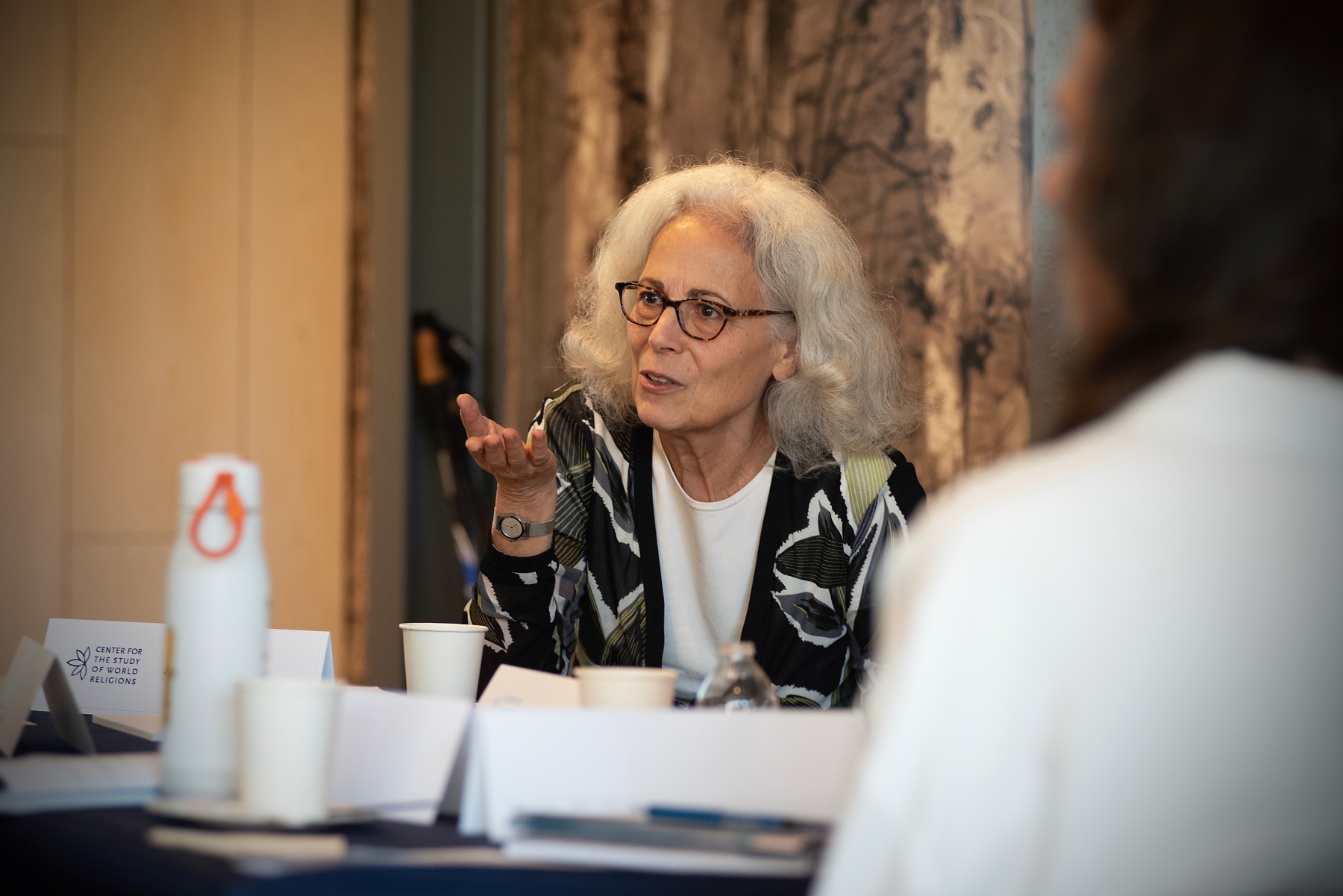
The Center for the Study of World Religions (CSWR) organized a collaborative two-day workshop in October 2025, exploring the legacy and future of Transcendentalism through open, lively discussion—echoing the spirited meetings of the Transcendentalists nearly two centuries ago. Nearly thirty scholars, independent researchers, writers, and artists from across the United States, as well as from Sweden and Denmark, gathered at the Concord Museum in Concord, Massachusetts.
Photos by Jeffrey Blackwell.


Charles M. Stang, Director of the Center for the Study of World Religions, Professor of Early Christian Thought, Harvard Divinity School
“I never thought we were inventing the wheel at this gathering. But I didn’t realize how many wheels are actually already turning. I believe part of the work now is figuring out what has already happened and maybe needs to be started again, or what has been tried and didn’t work. We can learn in that way, and where there’s the most interest, enthusiasm, and expertise, we can do this work powerfully.”

John Kaag, Professor of Philosophy at the University of Massachusetts Lowell
“We are at a bonfire with things to share, and if we do not succeed tremendously, we will have failed terribly. What have we brought to share, what practicable, actionable talents do we have to offer each other? Figuring that out, right now…might be the most significant aspect of this conference.”

Rochelle Johnson, Bernie McCain Chair in the Humanities, The College of Idaho
"I felt totally stimulated by what my colleagues were saying, and I was struck by how our themes--grief, attentiveness, withdrawal, connection, meaning, authenticity--all seemed to be coalescing, maybe following Emerson's circle metaphor. Our themes are coming together and spiraling, but spiraling into a unity. I have no clue where all of this is going to end up, but it’s simultaneously reassuring and exciting to witness."


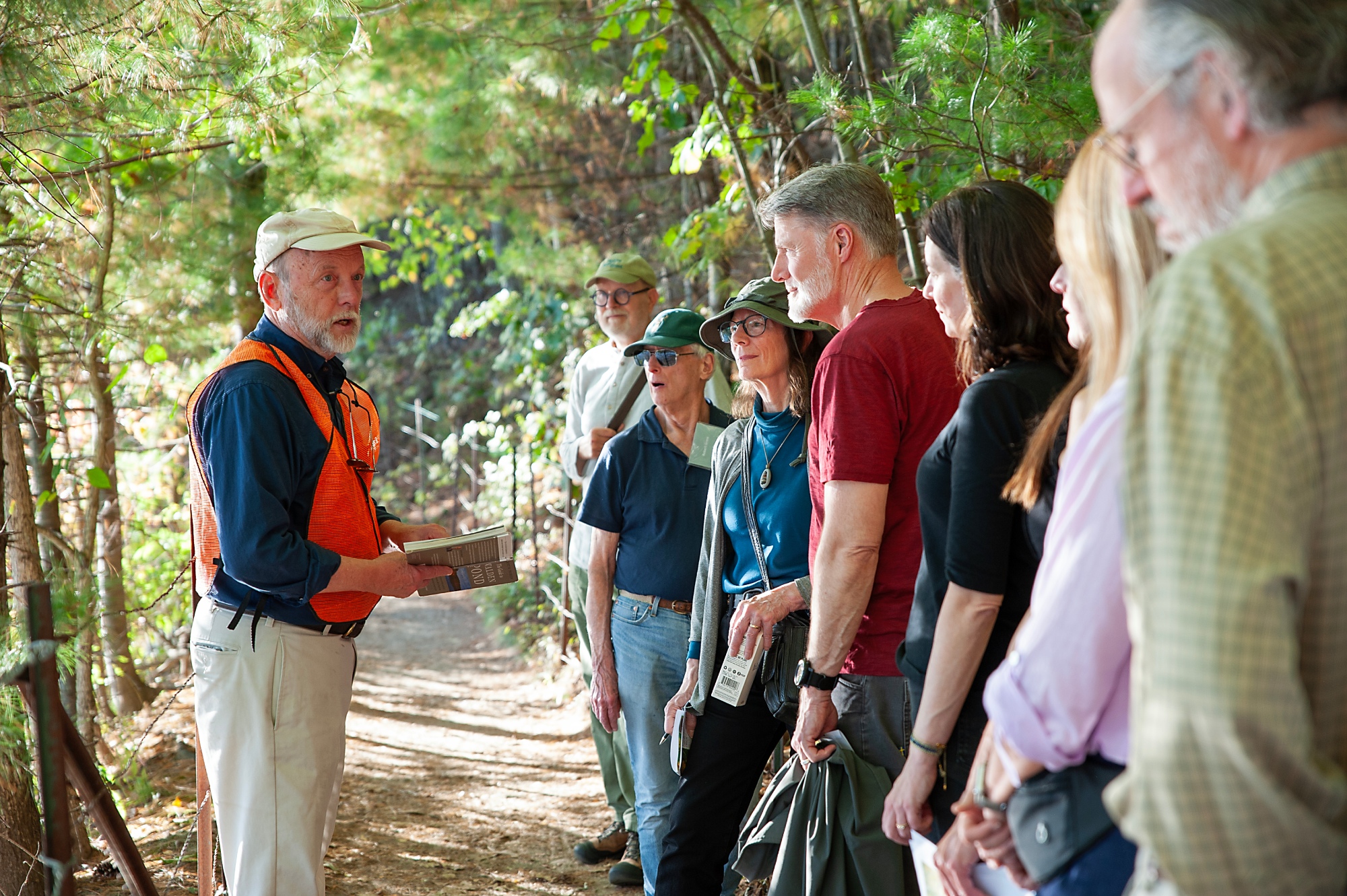
Robert Thornson, Professor of Earth Sciences, University of Connecticut
"Thoreau says, ‘I am, it’s Stony Shore.’ And he says that the deepest resort of Walden, which is the bedrock bottom, is high in his thoughts. He’s always thinking about landscape and depression. He’s going down to fundamentals. He's going down to the landscape, he’s going down to the woods. He’s going down more than he's going up, because that's the reverential view for an artist, not the magisterial view of some hilltop. And I think he loved living where he did in the woods.”
Jane Bennett, Andrew Mellon Professor of the Humanities, Political Science and Comparative Thought & Literature, Johns Hopkins University
“One thing I will take away from these conversations is a shared sensibility — though we address the content of Transcendentalism from different angles, we do so with a shared sensibility of gentle persistence and civic interest. I’m very happy to be part of this group. I will also leave with the sense that New England Transcendentalism is still alive and well, and is morphing and changing, and will evolve as time goes on.”


Susan Shumaker, Producer and Story Developer, Florentine Films (Ken Burns) and Ewers Brothers Productions
“I think there's an opportunity to change the world. I also think there’s great value in just looking at Thoreau, for instance, at his life and how he chose to live—not just the simplicity part, but also the connecting with community. He was a person, they say, who, if your shutters were broken, he was there to help. Didn’t want payment. Maybe you gave him a pie. He was someone who spent time in nature, not just ambling around. He was studying in those last 15 years of his life. He was down there, really trying to make sense of things and of life. This gathering is a wellspring of ideas for considering this and then developing a plan. What I hope more than anything is that the seeds of a plan emerge that can then be built upon.”

Russell Powell, Research Affiliate, Transcendentalism Initiative, Center for the Study of World Religions
“I hope this gathering will help to coalesce two different tracks for our new initiative. One is our aim to be continually convening and renewing this conversation about what Transcendentalism is, how it continues to matter to our changing historical moment, and how it needs to be continually translated in that moment. That's a scholarly sort of track. The other is a conversation about how Transcendentalism continues being embodied today, this tradition which has done so much to enforce the importance of the life of the mind to American democratic and civic virtue. I think these sorts of things could really have a tangible impact on the world we share."


Nicholas Low, Postdoctoral Fellow, Philosophy and Religion, Center for the Study of World Religions
“My own work is at most peripheral to the Transcendentalism movement. It's not my specialty. So I’ve tried to be a sponge, trying to drink in as much as I can, and I’ve learned a lot. But I’ve also felt a sense of goodwill that really invited participation. People came with open minds, ready to discuss and really dig into the ideas. That’s made this experience, I think, genuinely unique. It's been quite different from traditional conferences, where people often come to argue with each other, or grandstand and just pronounce their views. This feels like a much more productive and organic gathering, and it definitely created a richer exchange of ideas and more open conversation."
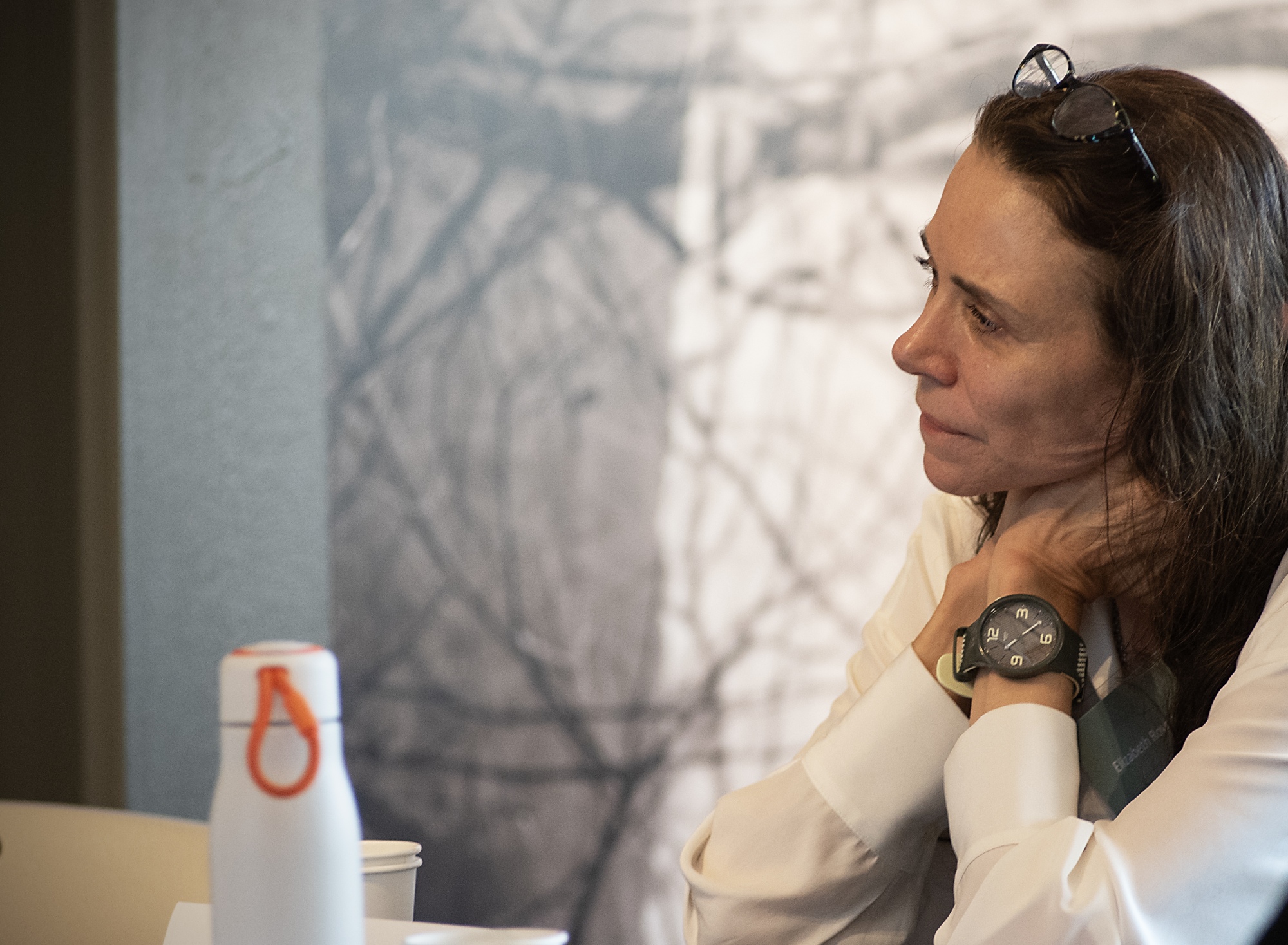
Elizabeth Rovere, MA, MTS, PsyD, RYT-200, clinical psychologist, BodyAwake™ yoga teacher, host of the Wonderstruck podcast
“My question is from the discussions: why have we cut ourselves off from our connection to nature and each other? All we do is generate complete productivity, yet there’s this rush to be a certain way, which gets in our own way. Is there a way to bring some of the (Transcendentalist philosophy) back more peacefully and soothingly to our way of being in the world in a waking-up type of way?”


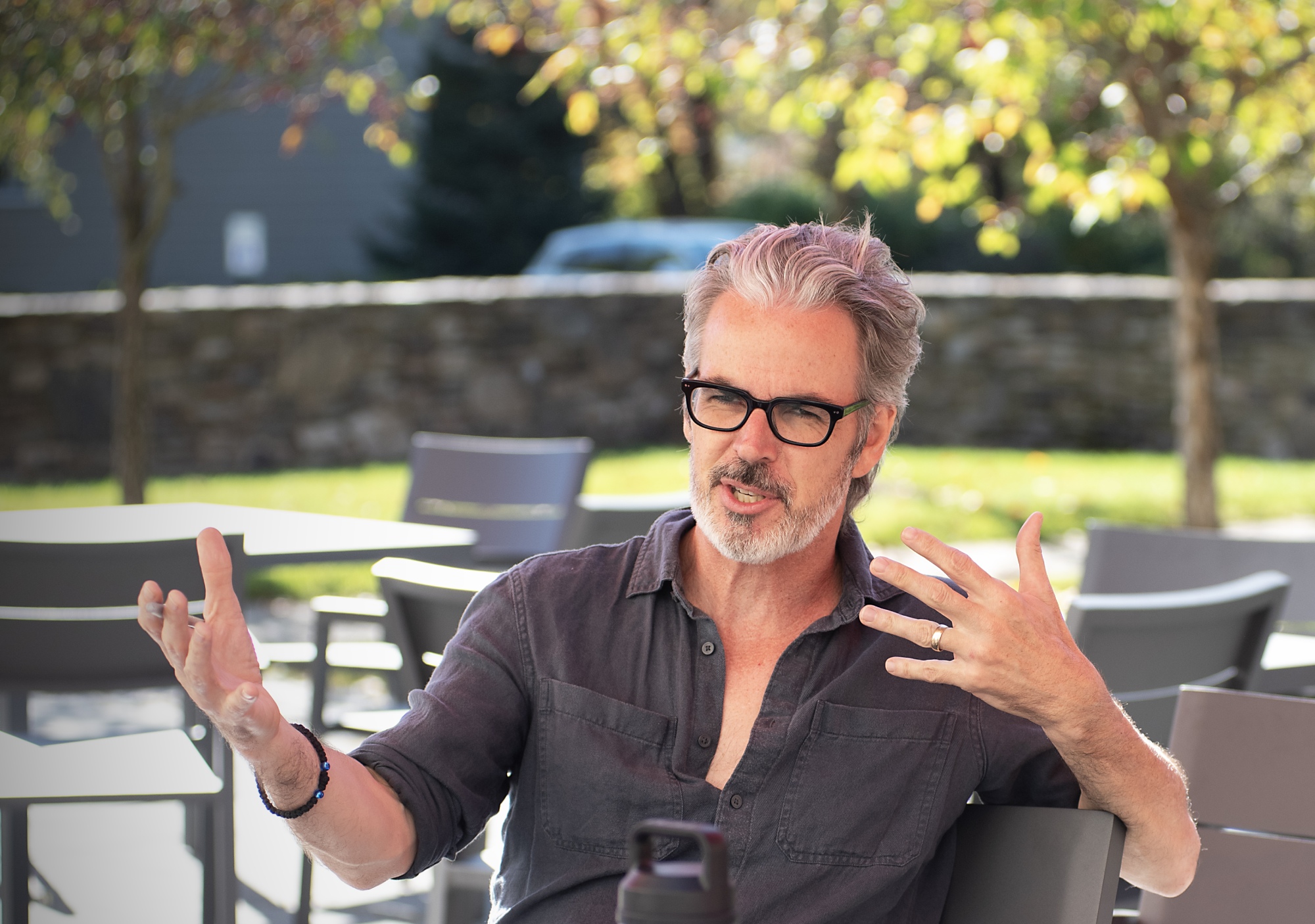
Brett Grainger, Associate Professor of Theology and Religious Studies, Villanova University
“One thing I'm taking from the workshop is the sense that in a larger cultural context, we can do something with the living traditions available to us to offer an alternative to Americans that can hopefully tell a different kind of story, one that’s honest and also inspiring, and that isn’t easily pegged to the kinds of identities, the way that we are currently splitting up identities and tribes. And, that this could provide an alternative that might create a new kind of coalition, not just political, but also a cultural vision for this country.”
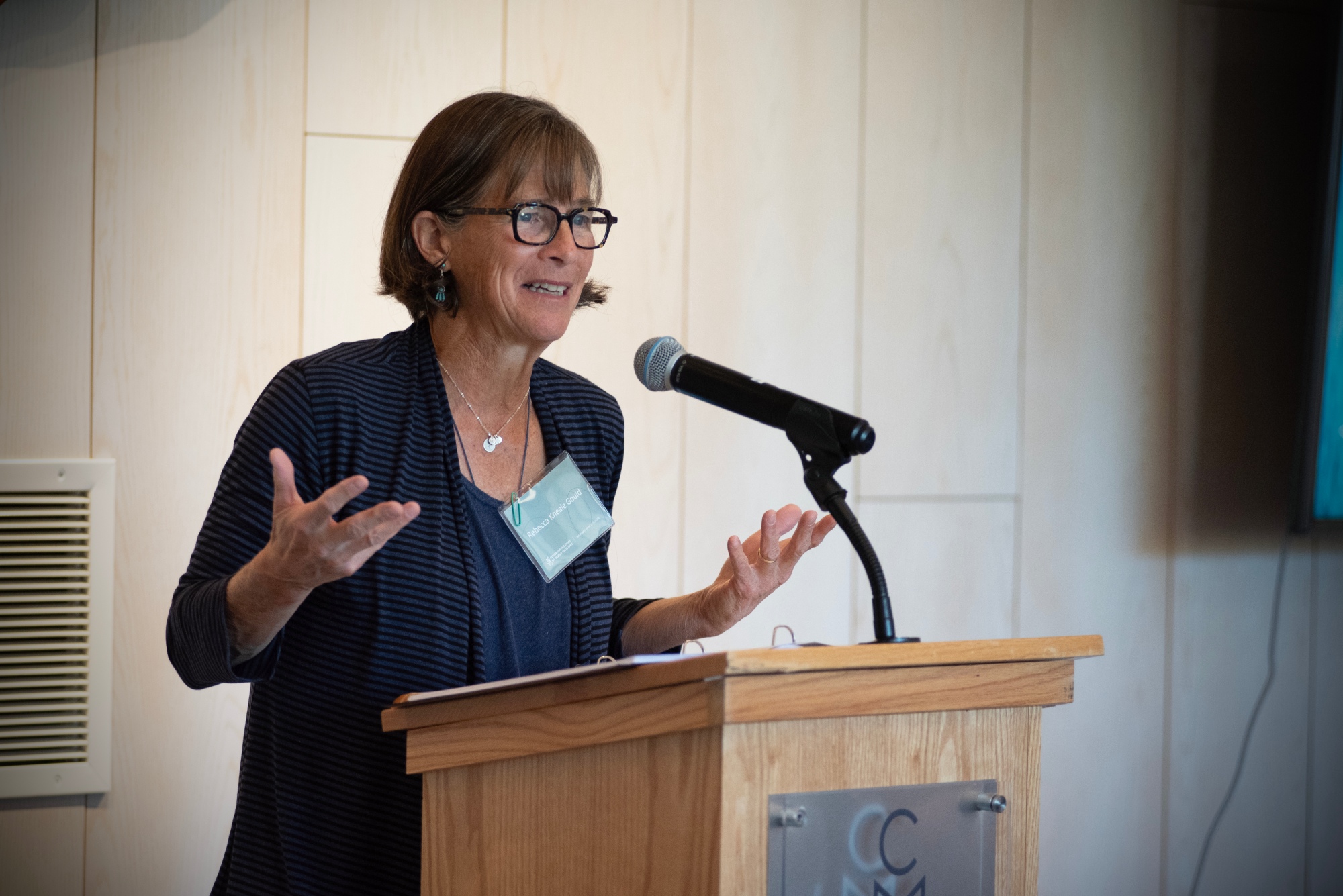
Rebecca Kneale Gould, Religious Studies Scholar and Associate Professor of Environmental Studies, Middlebury College
"If the goal of the weekend is to gather everybody together and support each other to have genuine, deep conversations with some obvious names of Transcendentalists working within that history of this land and these people, and to have honest, sometimes very nerdy, sometimes more from the heart conversations, that goal has been totally accomplished. I feel that in my own reading of Thoreau and Emerson, they’re always dealing with the complex legacies of the American Revolution in their work. In other words, the American Revolution is still very much alive and with them. And in the same way, I think the Transcendentalists are still with us, so I don’t feel like I even have to try to make them valid. I only wish that Thoreau had lived past the end of the Civil War. I really would have loved to hear how he would reflect on that horrible time, because I think we're still living the legacies of the Civil War now."