


Magic Crossings, Magic Transformations
The following Research Reflection is part of an ongoing series spotlighting CSWR scholars and their research.
An important Hindu source on magic rituals, the Uḍḍīśatantra declares the mundane man to be besieged: “When injured, what can the man do if he does not know this Uḍḍīśatantra? Should he go from where he stands to the peak of the highest mountain, the oceans will flood the earth to engulf him.” (1.3) The sorcerer, however, transformed by his ritual abilities is no longer a victim, he (it is always he) can deploy godlike powers: “Undertaking the techniques from this great methodology (mahayoga), he will strike down the Sun to the Earth, as does the lightning weapon of Indra, divine hero; the noose of Varuṇa, god of the ocean; the staff of Yama, who is death; and the burning spear of Agni, sacred fire.” (1.4-5).
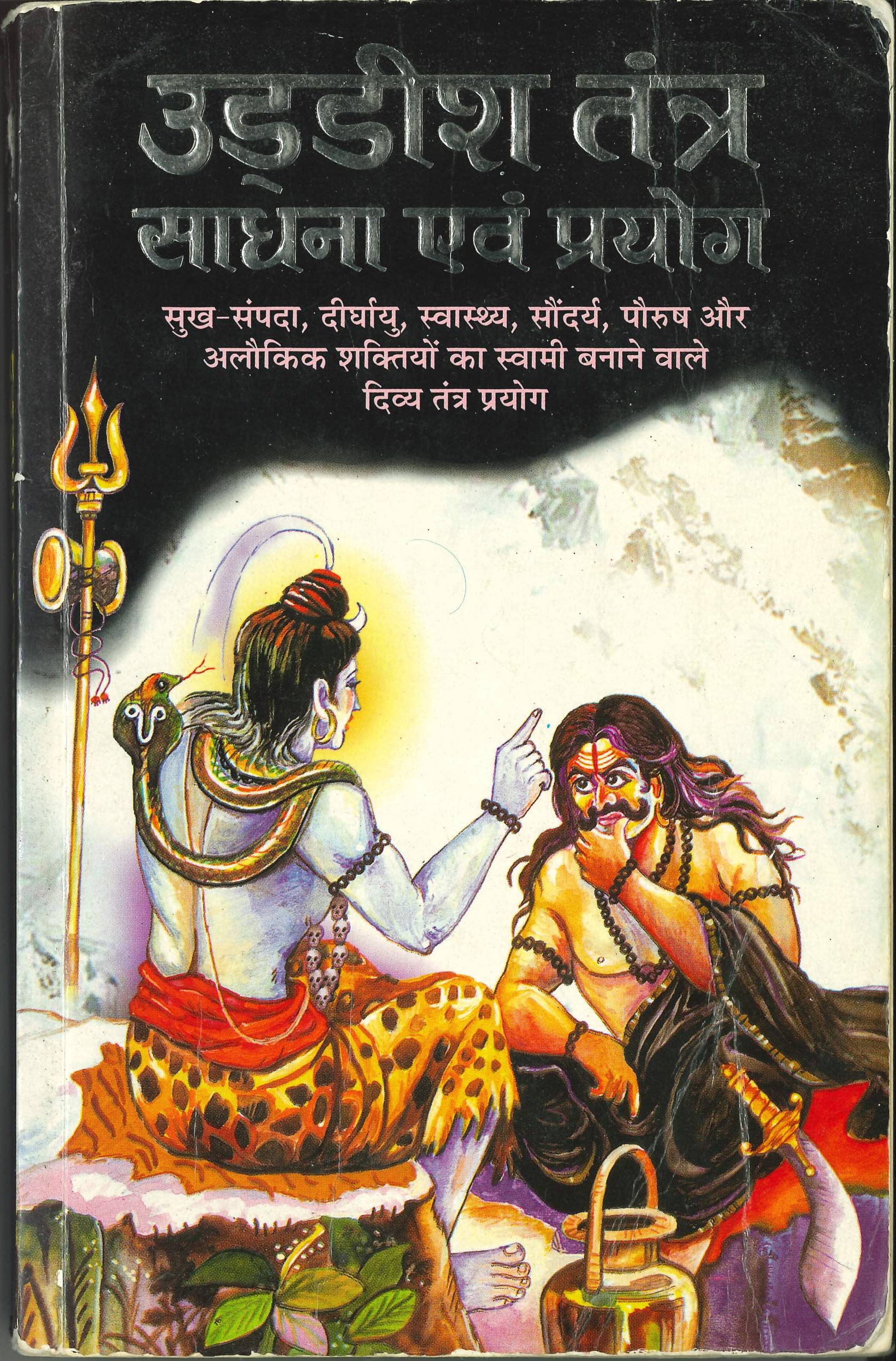
Magic tantras, such as the Uḍḍīśatantra, are catalogs of pragmatic ritual technologies. While virtually impossible to date, some manuscripts may be as early as the fifteenth century, and versions continue to be reproduced and published today. They are cookbooks of spell-recipes prescribing strange verbal utterances, ritual actions, substance-ingredients, implements, and results, mostly aggressive outcomes. Magic tantras are usually dismissed by South Asians, considered them quackery, ignorant, or just plain twaddle. Magic tantras do not conform to expectations. Religious texts ought to be sublime, mystic, and transcendent—to use a South Asian distinction, they should seek liberation, mumukshu. The spell handbooks violently influence the social world, secure unthinkable prosperity, and transform mortals into unstoppable power-brokers—they seek power and enjoyment, bubhukshu. Magic does not transcend the world; it transforms the magician.
Since first reading about the Transcendence and Transformation Initiative at the CSWR, I have been productively turning these specific terms in my head. Transcendence, from the Latin verb transcendere, combines the trans- prefix that means ‘from one thing to another’ with scandere, meaning ‘to climb,’ contrasting descendere, ‘to descend.’ Transform combines that same trans- prefix with formare, ‘to shape or create.’ As a word, transcendence is considered positive, ‘a crossing that climbs up,’ but transformation is neutral and ambiguous, ‘shaping something.’ The prefix trans- emerges from its Proto-Indo-European etymon *terə- meaning ‘to cross over pass, pass through, overcome.’ From that same etymon emerges the Sanskrit verb root *tṛ meaning ‘to cross (as in a river).’ The Sanskrit term avatar (tṛ becomes tar) means ‘one who has crossed down,’ a god incarnated. Transform, transcend, transgress, transfer, transmute, even translate are about shifting a thing; they are all transitions.
Tantra magic rituals effect the following three types of results, accompanied by Uḍḍīśatantra passages below. Aggressive ritual results (1) bewilder, usurp, seduce, and even kill, though a few rites positively tranquilize and bestow prosperity. “Grind elephant and lion teeth in fresh butter. A forehead mark made from that pulp causes those who see it to become mutinous and flee.” Fantastic feats and enchanted items (2) confer alchemical substances, resurrect the dead, reveal underground treasures, empower eye ointment to make the wearer invisible, and much more. “Crushing bignonia indica seeds blessed by a mantra and placing the powder in a pair of slippers, the man easily treads waters as if land.” Conjured female spirit-beings (3) grant celestial and mundane gifts and powers if they are worshipped and greeted properly. Having recited the appropriate worship spells the correct number of times and made offerings at the base of a tree, the spirit-being comes forth. Appearing “as a mother, she will daily give rare foods and jewelry; as a sister, she will pull to him fair women and precious alchemy concoctions; and as a wife, she will fly him about the earth and heavens.”
Magic does not just change the sorcerer, it transforms mundane ritual techniques and items, making them something more. The hairs of a mongoose and scales of a cobra are physical things, but deployed in a magic ritual, they transfer the natural enmity of these creatures to humans who were once close friends. A stave used to crack skulls in cremation can be enchanted, laid upon the ground, and, until removed, it will cause discord among all who live nearby. Fire offerings are ubiquitous worship rites dedicated to gods in temples, but sorcerers rework the rites to kill enemies. Those who acquire ritual knowledge and who deploy magic rites transform themselves from normal people to unexpectedly powerful figures.
Sorcerers may not be like the saints, mystics, and adepts we value when thinking about religion, but they embody a transition from limitation to expanse that does transcend or reject the created world. They do not generate positive ethical insights, nor do they withdraw from the world, nor do they cultivate altruism, but they transact with unseen forces and weird powers to transform themselves and the world around them. Sorcerers reveal unexpected aspects of religions in a wide, wild world.
I would like to extend my thanks to past Research Reflection authors who graciously read, edited, and commented on drafts of this essay: Anne Harley, Alicia Mayer, Adam Bremmer McCollum, Giovanna Parmigiani, Jason Ānanda Josephson Storm, and, especially, Fabien Muller.