


Towards a Vegetal Ressourcement: Reviving Gustav Fechner’s Plant Souls
The following post from Rachael Petersen, MDiv '24 is the first in an ongoing series from affiliates of the Thinking with Plants and Fungi Initiative.
The history of so-called “Western thought” has not been kind to plants – at least, that’s how the story goes.
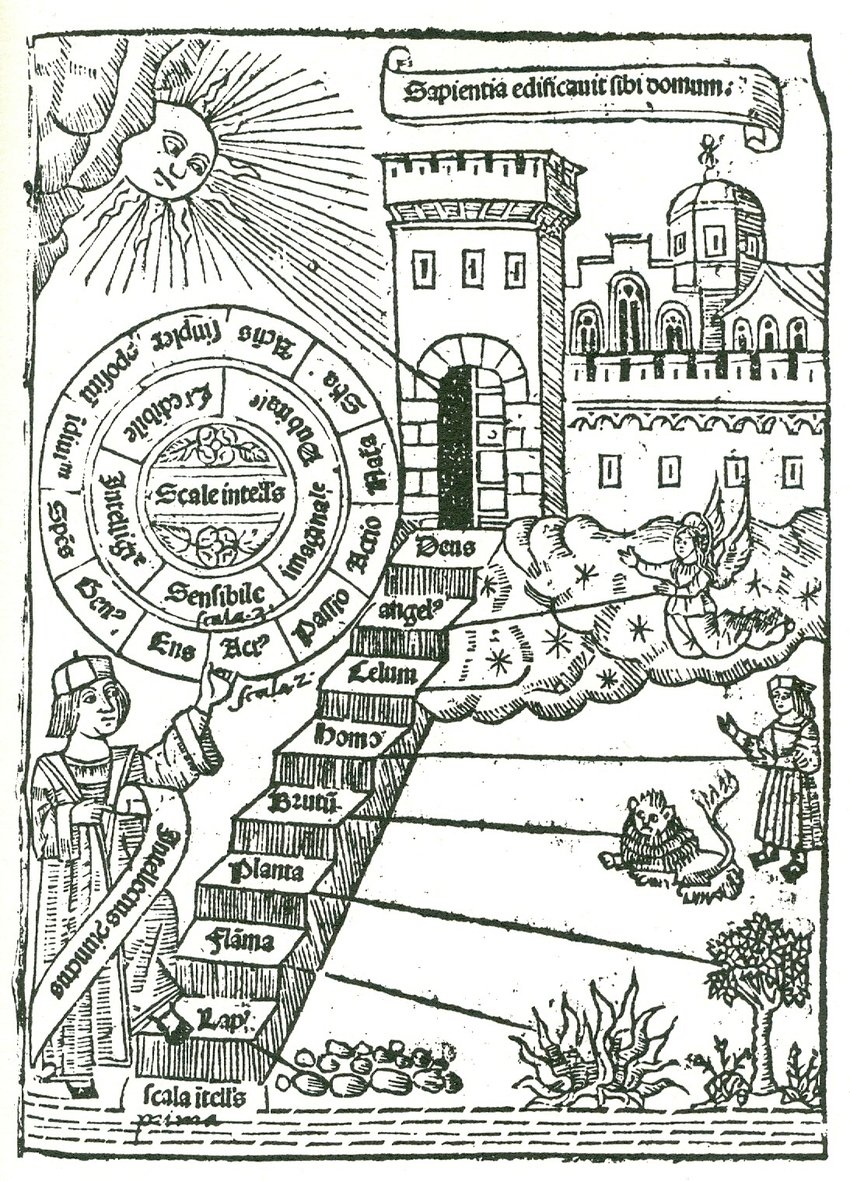
From Aristotle’s typology of souls to the scholastic “Great Chain of Being,” to Descartes’ characterization of animals as mindless automata, human exceptionalism has haunted philosophy from the Greeks to the Enlightenment and lurks in the academy even today. But if we look more closely, we will see that the Greco-Roman-Hebraic lineage is as variegated and multifarious as any ecosystem. We can and must embark on a project to find and revitalize the forgotten plant-loving ancestors quietly blooming amid what we often deem a hostile theoretical monocrop.
Recent scientific research is demonstrating the sophisticated ways plants sense and make sense of the world, challenging longstanding definitions of “mind” and “intelligence.” Within the Plant Consciousness Reading Group, which I co-lead at the CSWR with Natalia Schwien, I have observed how these findings generate hunger for intellectual interventions that support plant-positive worldviews – interventions that challenge the prevailing materialism, anthropocentrism, and dualism that have dominated mainstream Western thought. While countless animist, pagan, and indigenous traditions regard plants as agents with whom we must cultivate and sustain reciprocity, many of us cannot stake legitimate claim to these traditions. Where does that leave those of us who descend from Western lineages while rejecting their dominant legacy of human exceptionalism?
As scholar of religion Mary-Jane Rubenstein puts it, while sometimes it seems that the easiest way to “locate creativity, animacy, or divinity” within materiality would be “to appeal to traditions that lie outside the … lineage we incoherently call the Western Canon,” it is also true that there may be “counter-ontologies internal to the traditions such reanimations seek to critique” (Pantheologies, 69-70). Humanities scholars must not only center indigenous, animist, and pagan traditions, but also engage a parallel effort at what I call a vegetal ressourcement (“return to the sources”) – a term associated with the mid-20th century French nouvelle théologie movement. Nouvelle theologians were faced with a crisis: orthodox Catholicism was failing to adequately address novel problems of midcentury modern life. And yet, Catholics could not wholly abandon their tradition. Ressourcement sought to move forward by going backwards, to innovate contemporary Catholicism by reviving ancient sources previously ignored by the Church. In other words, the key to future intellectual innovation may lie in resuscitating forgotten thought of the past.

My Master’s thesis is one such attempt at vegetal ressourcement, revitalizing the category of “plant souls” championed by the forgotten 19th century German thinker Gustav Fechner. I translate his 1848, Nanna, o über das Seelenleben der Pflanzen (Nanna, or on the Soul-Life of Plants) and provide a critical introduction. What were Fechner’s main arguments, motivations, and methods? What was at stake for Fechner in defending plant-souls? What might be at stake for us in accepting or rejecting his claims?
Remarkably, I found that Fechner, writing 175 years ago, anticipated many of the debates central to the field of “plant neurobiology,” recently founded by a group of scientists seeking to “understand how plants perceive their circumstances and respond to environmental input in an integrated fashion.” While this scientific movement may seem patently modern, the questions it provokes are timeless, and consumed Fechner – namely, what is mind? Who has it? And what is it for? And how can we know the minds of others, especially beings very different from us?
For Fechner, as for many plant neurobiologists, plants are conscious beings who have their own desires and make deliberate choices to fulfill those desires. Fechner argues that plants move, though we lack the patience to observe their movements. Preempting research into the chemicals plants emits, Fechner posits that plants communicate via a lexicon of fragrance. Like plant neurobiologists, he rejects the necessity of a nervous system for sensation and thought. That plants differ from humans and animals in structure and function does not prove they lack souls; rather, their souls assume a unique material form.
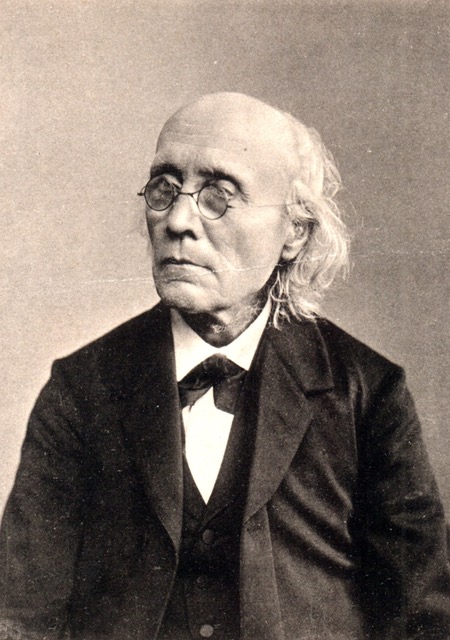
Like my research on Fechner, vegetal ressourcement could take the form of translated untranslated texts by ignored authors. There is no shortage of forgotten Western thinkers who dedicated themselves to witnessing plants with care and concern, and whose vegetal witnessing transformed them: Thomas Percival (1740-1804), the English physician who speculated on the “perceptive power of vegetables” in a 1785 address, and the German biologist Carl Friedrich Philipp von Martius (1794-1868) who attributed not only souls, but also immortality to plants, to name a few. But ressourcement could also re-examine the overlooked importance of plants for prominent thinkers, as the philosopher Michael Marder has undertaken in his book The Philosophers Plant: An Intellectual Herbarium, where he demonstrates that plants have powered theoretical discourse for centuries from Plato to Luce Irigaray.
In the end, a healthy scholarly ecosystem will benefit from a diversity of approaches. The green shoots of a ressourcement are there, waiting to be watered. Now is the time.
-by Rachael Petersen, MDiv '24